 Admin
Admin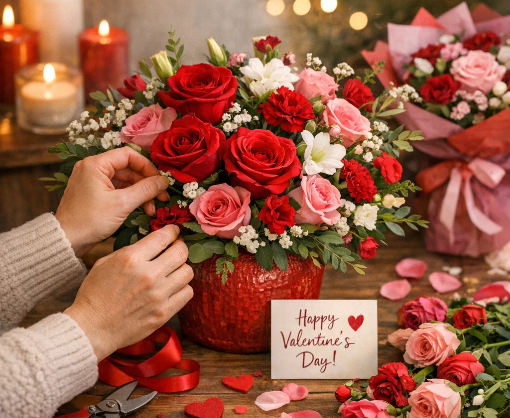
Valentine’s Day is celebrated worldwide as a day of love, romance, and emotional connection, and flowers have always been its most powerful symbol. Learning how to make Valentine’s Day flower arrangements allows you to create something deeply personal, meaningful, and memorable for your partner. Handmade floral arrangements communicate effort, creativity, and genuine affection in a way store-bought bouquets often cannot. Whether you are preparing flowers for a romantic dinner, a heartfelt gift, or a surprise gesture, understanding floral balance, color symbolism, and proper techniques helps you design arrangements that feel elegant and emotionally resonant. With the right guidance, anyone can transform simple flowers into a stunning Valentine’s Day expression of love.
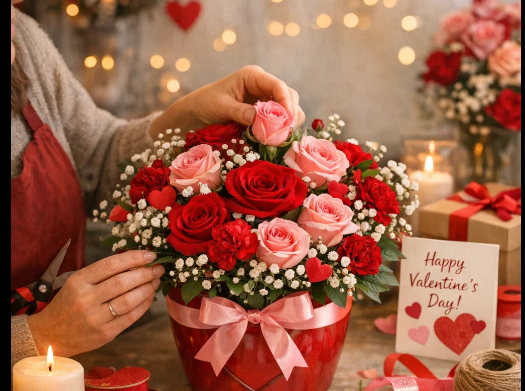
Understanding the Meaning Behind Valentine’s Day Flowers
Before learning how to make Valentine’s Day flower arrangements, it is essential to understand flower symbolism, as each bloom carries emotional meaning. Red roses represent deep love and passion, making them the most traditional Valentine’s flower. Pink roses symbolize admiration and sweetness, while white flowers convey purity and commitment. Tulips express perfect love, and lilies represent devotion and elegance. When designing an arrangement, combining flowers with complementary meanings creates a richer emotional message. This thoughtful approach ensures your floral design not only looks beautiful but also communicates feelings intentionally, making your Valentine’s gift far more meaningful and memorable.
Choosing the Right Flowers for Valentine’s Day Arrangements
Selecting flowers is one of the most important steps in learning how to make Valentine’s Day flower arrangements. Start by choosing fresh, high-quality blooms with vibrant color and firm petals. Roses, carnations, tulips, orchids, ranunculus, and peonies are popular choices for Valentine’s designs. Consider your recipient’s preferences, as personalized selections feel more intimate. Mixing focal flowers with filler blooms like baby’s breath or wax flowers adds texture and softness. Always inspect stems for strength and leaves for freshness. The right flower selection ensures your arrangement lasts longer while maintaining its visual appeal throughout Valentine’s Day.
Understanding Color Combinations for Romantic Arrangements
Color plays a crucial role when learning how to make Valentine’s Day flower arrangements. Red symbolizes passion, pink represents affection, white expresses sincerity, and purple conveys admiration and mystery. Using a balanced color palette prevents the arrangement from looking overwhelming. A classic combination includes red and pink with subtle white accents. For modern styles, soft pastels or monochromatic arrangements can feel elegant and sophisticated. Avoid clashing colors, and aim for harmony by choosing shades within the same color family. Thoughtful color coordination enhances emotional impact and ensures the arrangement feels visually cohesive and romantic.
Tools and Materials You Need Before Starting
To successfully master how to make Valentine’s Day flower arrangements, having the right tools is essential. Basic materials include sharp floral scissors or pruning shears, a clean vase or container, floral foam or tape, and fresh water with flower food. Decorative elements like ribbons, wrapping paper, or heart-themed accents can enhance presentation. Clean tools help prevent bacteria from entering stems, extending flower life. Preparing everything beforehand allows for a smooth creative process, helping you focus on design rather than searching for supplies mid-arrangement. Proper preparation is the foundation of professional-looking floral results.
Preparing Flowers for Arrangement
Flower preparation is a critical step in learning how to make Valentine’s Day flower arrangements. Begin by trimming each stem at a 45-degree angle, which improves water absorption. Remove leaves that fall below the waterline to prevent bacterial growth. Hydrate flowers by placing them in water for at least one hour before arranging. This process, known as conditioning, ensures blooms remain fresh and vibrant longer. Proper preparation not only improves longevity but also makes flowers easier to work with. Well-conditioned stems hold their position better and create a cleaner, more polished final arrangement.
Choosing the Perfect Vase or Container
The container you choose significantly influences how Valentine’s Day flower arrangements look and feel. Glass vases create a classic and elegant appearance, while ceramic or decorative containers add charm and personality. Ensure the container size matches the number of flowers to avoid overcrowding or sparse designs. Short containers work well for compact romantic arrangements, while taller vases suit dramatic bouquets. Clean the container thoroughly before use to prevent contamination. The right container supports both structure and style, helping your floral arrangement feel intentional, balanced, and visually pleasing.
Creating a Balanced Floral Design
Balance is essential when learning how to make Valentine’s Day flower arrangements. Start with a focal flower, usually roses or another bold bloom, placed at the center. Gradually add secondary flowers around it, maintaining symmetry or an organic flow depending on your style. Use filler flowers sparingly to enhance softness without overpowering the main blooms. Rotate the arrangement frequently to ensure it looks attractive from all angles. Balanced designs feel harmonious and professional, guiding the viewer’s eye naturally through the arrangement while highlighting its romantic centerpiece.
Step-by-Step Guide to Making Valentine’s Day Flower Arrangements
Begin by securing floral foam or creating a tape grid inside the vase for stability. Add greenery first to establish shape and volume. Insert focal flowers next, spacing them evenly for visual impact. Follow with secondary blooms to fill gaps and add texture. Finish with filler flowers and decorative accents like ribbons. Adjust stem heights to maintain proportion and elegance. This step-by-step method simplifies how to make Valentine’s Day flower arrangements, making the process approachable for beginners while still achieving refined, romantic results.
Adding Personal Touches to Your Arrangement
Personal details elevate Valentine’s Day flower arrangements from beautiful to unforgettable. Consider adding a handwritten note, a favorite ribbon color, or a small keepsake tucked discreetly among the flowers. Personalized elements show thoughtfulness and emotional investment. You can also tailor the arrangement style to match your partner’s personality, such as minimalist designs or bold, dramatic bouquets. These touches transform floral designs into meaningful gestures that resonate deeply, reinforcing the emotional significance of Valentine’s Day.
Caring for Valentine’s Day Flower Arrangements
Proper care ensures your Valentine’s Day flower arrangements remain fresh and vibrant. Change the water every two days, adding fresh flower food each time. Keep the arrangement away from direct sunlight, heat sources, and drafts. Trim stems slightly every few days to maintain hydration. Removing wilted flowers promptly helps preserve the overall appearance. Understanding basic flower care enhances longevity and keeps your arrangement looking beautiful throughout the celebration, allowing your romantic gesture to last beyond just one day.
Common Mistakes to Avoid When Making Arrangements
When learning how to make Valentine’s Day flower arrangements, avoid common mistakes such as overcrowding flowers, mixing too many colors, or neglecting stem preparation. Overloading a vase can restrict water flow, causing flowers to wilt quickly. Ignoring balance and proportion leads to uneven designs. Skipping flower conditioning reduces freshness and lifespan. Being mindful of these pitfalls helps you create arrangements that look elegant, last longer, and effectively communicate love and care.
Creative Valentine’s Day Arrangement Ideas
Exploring creative styles enhances your understanding of how to make Valentine’s Day flower arrangements. Heart-shaped designs, monochromatic bouquets, or minimalist single-flower arrangements can be striking and meaningful. Floral boxes, mason jars, or wrapped hand-tied bouquets offer modern alternatives to traditional vases. Creativity allows you to express emotions uniquely while still respecting floral design principles. Experimenting with different styles helps develop confidence and artistic flair, making each arrangement a personal expression of love.
Why Handmade Flower Arrangements Matter
Handmade Valentine’s Day flower arrangements carry emotional weight that store-bought options often lack. They reflect time, effort, and genuine intention, which are deeply valued on Valentine’s Day. Creating something by hand strengthens emotional connections and allows for personalization that mass-produced bouquets cannot offer. The act of arranging flowers becomes part of the gift itself, making the gesture more meaningful. Understanding how to make Valentine’s Day flower arrangements empowers you to express love authentically and memorably.
Conclusion
Learning how to make Valentine’s Day flower arrangements is a rewarding experience that blends creativity, symbolism, and heartfelt emotion. From selecting meaningful flowers and harmonious colors to crafting balanced designs and adding personal touches, each step contributes to a powerful expression of love. Handmade arrangements demonstrate care, thoughtfulness, and effort, making them unforgettable Valentine’s gifts. With proper preparation, attention to detail, and creative inspiration, anyone can create stunning floral arrangements that capture the true spirit of Valentine’s Day and leave a lasting emotional impression.
FAQs About How to Make Valentine’s Day Flower Arrangements
1. What flowers are best for Valentine’s Day arrangements?
Red roses, tulips, lilies, carnations, and orchids are popular choices due to their romantic symbolism.
2. How long do Valentine’s Day flower arrangements last?
With proper care, most arrangements last 5–10 days, depending on flower type and maintenance.
3. Can beginners make professional-looking arrangements?
Yes, following basic design principles and preparation steps allows beginners to achieve elegant results.
4. Should I use floral foam or a vase with water?
Both work well; floral foam provides stability, while water-filled vases are easier for beginners.
5. How can I personalize a flower arrangement?
Add handwritten notes, favorite colors, meaningful flowers, or small keepsakes for emotional impact.
6. What colors work best for romantic arrangements?
Red, pink, white, and soft pastel tones are most commonly associated with romance and affection.
For More Update and Stories Visit Daily Guides