 Admin
Admin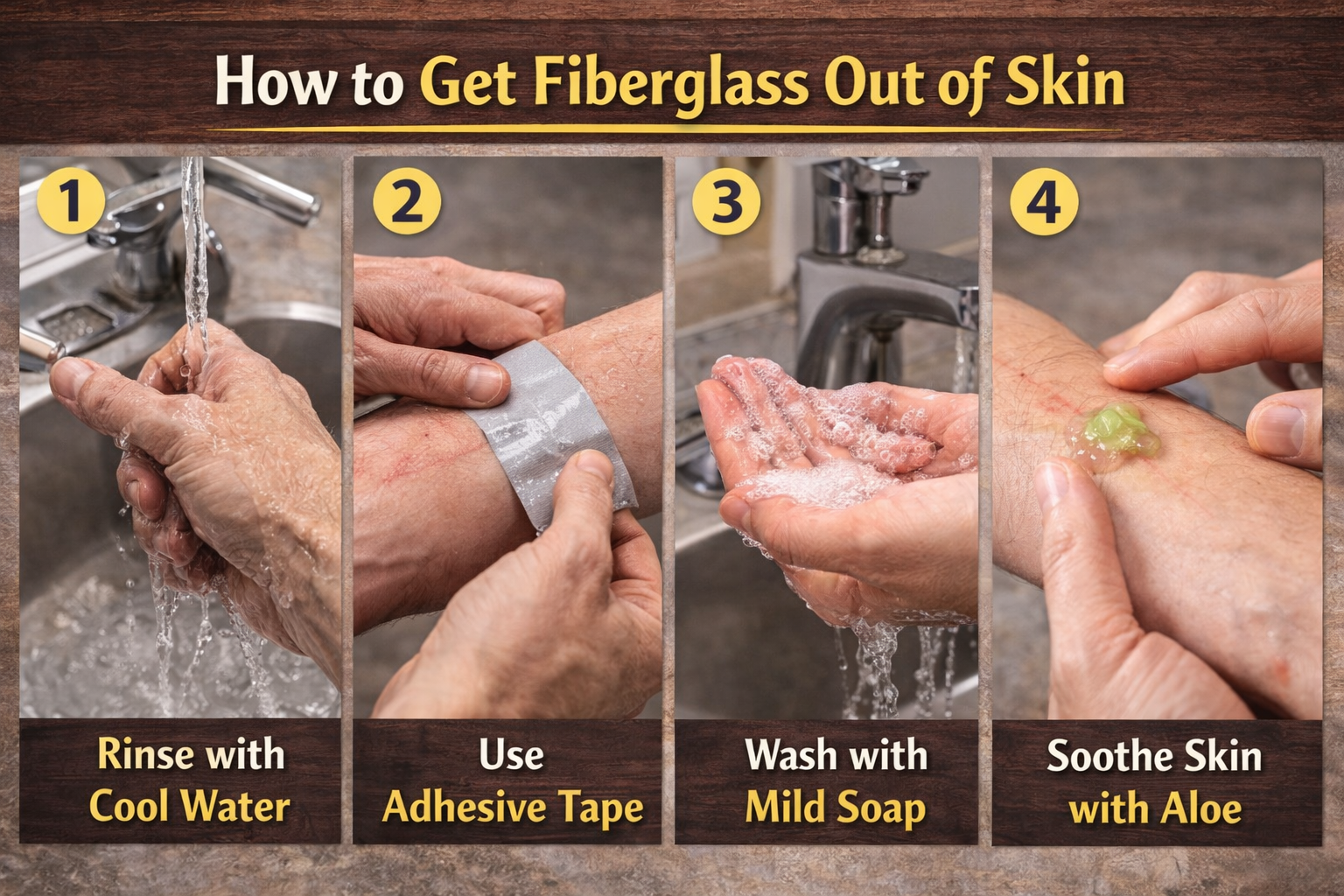
Fiberglass is widely used in insulation, construction, automotive parts, and home improvement projects. While it is highly effective as a durable and heat-resistant material, its tiny glass fibers can easily penetrate the skin and cause irritation. Many people experience itching, redness, and discomfort after handling insulation or fiberglass materials without proper protection. Understanding how to get fiberglass out of skin is essential for preventing complications. Acting quickly and using the right techniques can reduce irritation and prevent infection. This guide provides a complete, practical, and safe approach to removing fiberglass particles while protecting your skin and overall health.
How to get fiberglass out of skin? Fiberglass exposure is common among construction workers, DIY enthusiasts, and homeowners working with insulation. The fibers are extremely small, often invisible to the naked eye, and can embed themselves in the outer skin layer. Once embedded, they cause irritation due to mechanical friction rather than chemical reactions. This means proper removal is possible with the correct approach and patience. Many people panic and scrub aggressively, which worsens the situation. Instead, gentle and systematic removal methods help minimize discomfort and skin damage. Learning the proper techniques ensures faster recovery and reduces long-term irritation or skin sensitivity.
Understanding Why Fiberglass Irritates the Skin
How to get fiberglass out of skin? Fiberglass is made from extremely fine strands of glass woven together into sheets or mats. When disturbed, these strands break into microscopic particles that easily penetrate the outer layer of skin. These particles are sharp and rigid, which is why they cause irritation. The body reacts by triggering inflammation, resulting in redness, itching, and discomfort. Unlike chemical burns, fiberglass irritation is mechanical, meaning removal of the fibers is the most important step toward relief. The irritation may worsen if fibers remain trapped, especially in areas with sweat or friction.
Another important factor is the skin’s natural protective barrier. When fiberglass enters the skin, it disrupts this barrier and exposes sensitive nerve endings. This causes the familiar prickly sensation many people experience. Sweat, heat, and friction can push fibers deeper, increasing discomfort. Some people also experience mild swelling or rash. Fortunately, fiberglass does not usually enter the bloodstream or cause serious health risks through skin contact alone. However, How to get fiberglass out of skin? proper removal is essential to prevent infection, prolonged irritation, or accidental spreading to other areas of the body.
Common Signs That Fiberglass Is Embedded in Skin
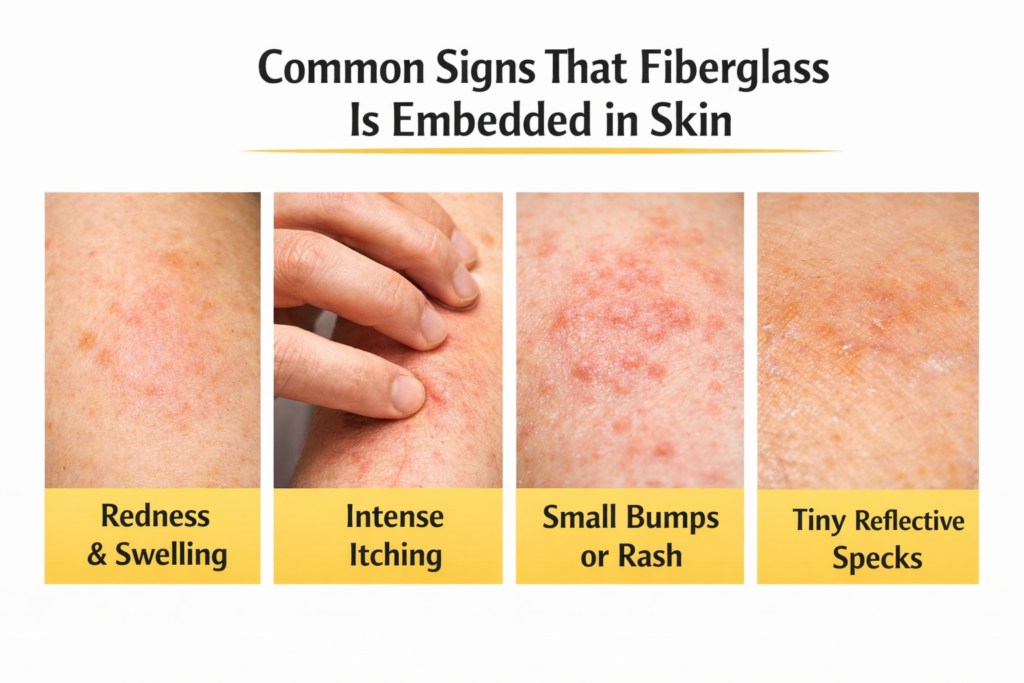
Recognizing fiberglass exposure early helps you act quickly and prevent worsening irritation. The most common symptom is intense itching, often described as a prickling or burning sensation. This occurs because the tiny fibers irritate nerve endings beneath the skin. Redness and mild swelling may also appear, especially in areas where contact occurred. These symptoms typically begin within minutes or hours after exposure. Some people also notice small bumps or rash-like reactions in affected areas.
How to get fiberglass out of skin? Another sign is sensitivity when touching the skin. You may feel discomfort when clothing rubs against the area or when moving. In some cases, the fibers are visible under bright light as tiny reflective specks. People with sensitive skin may experience more severe irritation. Prompt removal helps prevent worsening symptoms. Ignoring the irritation may cause scratching, which pushes fibers deeper and increases inflammation. Early action ensures faster recovery and reduces discomfort significantly.
Immediate Actions to Take After Exposure
How to get fiberglass out of skin? The first step after fiberglass exposure is to remain calm and avoid rubbing the affected area. Rubbing spreads the fibers and pushes them deeper into the skin. Instead, gently remove yourself from the exposure source. This prevents additional fibers from settling on your skin. Carefully remove contaminated clothing to prevent further contact. Handle clothing gently and avoid shaking it indoors, as this releases fibers into the air.
Next, wash your hands thoroughly before touching other parts of your body. This prevents transferring fibers to sensitive areas like your face or eyes. Avoid scratching the affected area, even if itching is intense. Scratching causes skin damage and increases irritation. Acting quickly and using controlled removal methods improves recovery and prevents complications. Early intervention is the most effective way to minimize discomfort and restore skin health.
Step-by-Step Method to Remove Fiberglass from Skin
Step 1: Wash the Area with Cool Running Water
Begin by rinsing the affected skin with cool or lukewarm running water. This helps remove loose fibers resting on the surface. Avoid hot water because it opens pores, allowing fibers to penetrate deeper. Let water flow gently over the skin for several minutes. Do not scrub or use rough cloths during this stage. Gentle rinsing helps dislodge fibers naturally without causing additional irritation.
How to get fiberglass out of skin? This step also removes dirt and debris that may trap fiberglass particles. Running water is more effective than soaking because it carries fibers away. Allow the skin to air dry naturally or pat gently with a soft towel. Avoid rubbing, as friction pushes fibers deeper. Proper rinsing prepares the skin for further removal methods safely.
Step 2: Use Adhesive Tape to Lift Embedded Fibers
Adhesive tape is one of the most effective tools for removing fiberglass particles. Use clean tape such as medical tape, duct tape, or masking tape. Gently press the sticky side onto the affected area and lift it carefully. The adhesive pulls fibers out of the skin without damaging tissue. Repeat this process using fresh tape each time.
How to get fiberglass out of skin? This method works because fiberglass particles cling to adhesive surfaces easily. Avoid pressing too hard, as excessive pressure causes irritation. Continue until itching decreases significantly. This simple and safe technique removes most surface fibers effectively. Adhesive removal is widely recommended because it minimizes skin trauma and provides quick relief.
Step 3: Wash Again with Mild Soap
After using adhesive tape, wash the skin with mild soap and lukewarm water. Soap helps remove remaining particles and natural oils that trap fibers. Choose gentle soap without harsh chemicals or fragrances. Harsh soaps increase irritation and dryness. Use your hands instead of brushes or scrubs.
Rinse thoroughly to ensure all soap and particles are removed. Proper washing reduces inflammation and prevents infection. Pat dry gently with a clean towel. How to get fiberglass out of skin? This step completes the initial removal process and prepares the skin for recovery. Clean skin heals faster and reduces lingering irritation.
Using Warm Showers to Remove Remaining Fibers
How to get fiberglass out of skin? After initial removal, taking a warm shower can help eliminate remaining fiberglass particles. Warm water relaxes the skin and loosens trapped fibers. Use mild soap and let water run gently over affected areas. Avoid scrubbing or using loofahs during this stage. Gentle washing is more effective and safer.
Showering also removes fibers that may have spread to other parts of the body. Wash hair carefully if exposure occurred near the head. Clean towels and fresh clothing prevent re-exposure. Proper hygiene ensures complete removal and supports skin healing. Regular gentle showers over the next few days help remove any remaining fibers gradually.
Natural Remedies That Help Soothe Irritated Skin
Natural remedies can provide relief after fiberglass removal. Aloe vera is widely known for its soothing and anti-inflammatory properties. How to get fiberglass out of skin? Applying fresh aloe gel helps calm irritation and supports healing. Moisturizers containing natural ingredients also restore the skin barrier.
Cold compresses reduce inflammation and itching effectively. Apply a clean, cool cloth to the affected area for several minutes. This helps reduce discomfort and swelling. Avoid using harsh creams or chemicals. Gentle care promotes faster recovery and prevents complications. Natural remedies complement removal methods and improve comfort significantly.
What to Avoid When Removing Fiberglass
How to get fiberglass out of skin? Many people make mistakes that worsen fiberglass irritation. Scratching is the most common mistake. It pushes fibers deeper and damages the skin. Avoid using brushes, pumice stones, or abrasive cloths. These methods increase irritation and may cause injury.
How to get fiberglass out of skin? Hot water should also be avoided initially because it opens pores. This allows fibers to embed more deeply. Do not use harsh chemicals or alcohol. These substances dry the skin and increase sensitivity. Gentle removal methods are always safer and more effective. Avoiding harmful practices ensures faster healing and reduces complications.
How Long Fiberglass Stays in Skin
Fiberglass particles usually remain in the outer skin layer and do not penetrate deeply. How to get fiberglass out of skin? With proper removal and care, irritation improves within 24 to 72 hours. Most fibers naturally work their way out as the skin renews itself. Skin shedding is part of the natural healing process.
How to get fiberglass out of skin? Severe exposure may take longer to heal, especially if fibers remain embedded. Proper care accelerates recovery and prevents complications. Persistent irritation beyond several days may require medical attention. Most cases resolve quickly with proper removal techniques and gentle skin care practices.
When to Seek Medical Attention
How to get fiberglass out of skin? Medical attention is rarely needed but may be necessary in certain situations. Seek help if severe redness, swelling, or infection develops. Signs of infection include warmth, pus, or worsening pain. These symptoms require professional evaluation.
How to get fiberglass out of skin? People with sensitive skin or allergic reactions may need medical treatment. Healthcare providers can safely remove deeply embedded fibers. They may also recommend medicated creams to reduce inflammation. Professional care ensures safe recovery and prevents complications.
Preventing Future Fiberglass Exposure
How to get fiberglass out of skin? Prevention is the best way to avoid fiberglass irritation. Always wear protective clothing when handling insulation. Gloves, long sleeves, and protective eyewear reduce exposure significantly. Protective gear creates a barrier between skin and fibers.
How to get fiberglass out of skin? Washing exposed skin immediately after work also helps prevent irritation. Clean clothing separately to avoid spreading fibers. Taking preventive steps protects your skin and ensures safer handling of fiberglass materials. Prevention is always easier than treatment.
Conclusion
Fiberglass exposure can be uncomfortable, How to get fiberglass out of skin? but proper removal methods ensure safe and effective relief. Acting quickly, using adhesive tape, washing gently, and avoiding harmful practices help remove fibers without damaging the skin. Understanding how to get fiberglass out of skin and how fiberglass interacts with the skin allows you to respond calmly and effectively. Most cases resolve quickly with proper care and patience. Natural remedies and gentle skin care support healing and reduce discomfort. Preventive measures such as wearing protective clothing significantly reduce risk. With the right knowledge and techniques, you can safely manage fiberglass exposure and protect your skin from irritation and complications.
Frequently Asked Questions (FAQs)
1. Is fiberglass dangerous if it stays in the skin?
Fiberglass is usually not dangerous but can cause irritation and discomfort. Most fibers remain in the outer skin layer and naturally work out over time. Proper removal helps prevent complications.
2. Does hot water help remove fiberglass?
Hot water can open pores and allow fibers to penetrate deeper. It is safer to use cool or lukewarm water during initial removal. Warm showers are helpful only after surface fibers are removed.
3. Can fiberglass cause permanent damage?
Fiberglass rarely causes permanent damage when handled properly. Most irritation resolves within a few days. Severe cases are uncommon and usually treatable.
4. Is adhesive tape effective for removing fiberglass?
Yes, adhesive tape is one of the most effective removal methods. It safely lifts fibers from the skin without causing damage. Multiple applications improve results.
5. How long does itching last after exposure?
Itching usually improves within 24 to 72 hours after proper removal. Gentle skin care and soothing treatments speed recovery.
6. Should I see a doctor for fiberglass exposure?
Most cases do not require medical care. Seek medical attention if severe irritation, infection, or persistent symptoms occur.
7. Can fiberglass spread to other parts of the body?
Yes, fibers can spread through clothing or contact. Washing exposed areas and changing clothes prevents spreading and reduces irritation.
For More Update and Stories Visit Daily Guides