
 Admin
Admin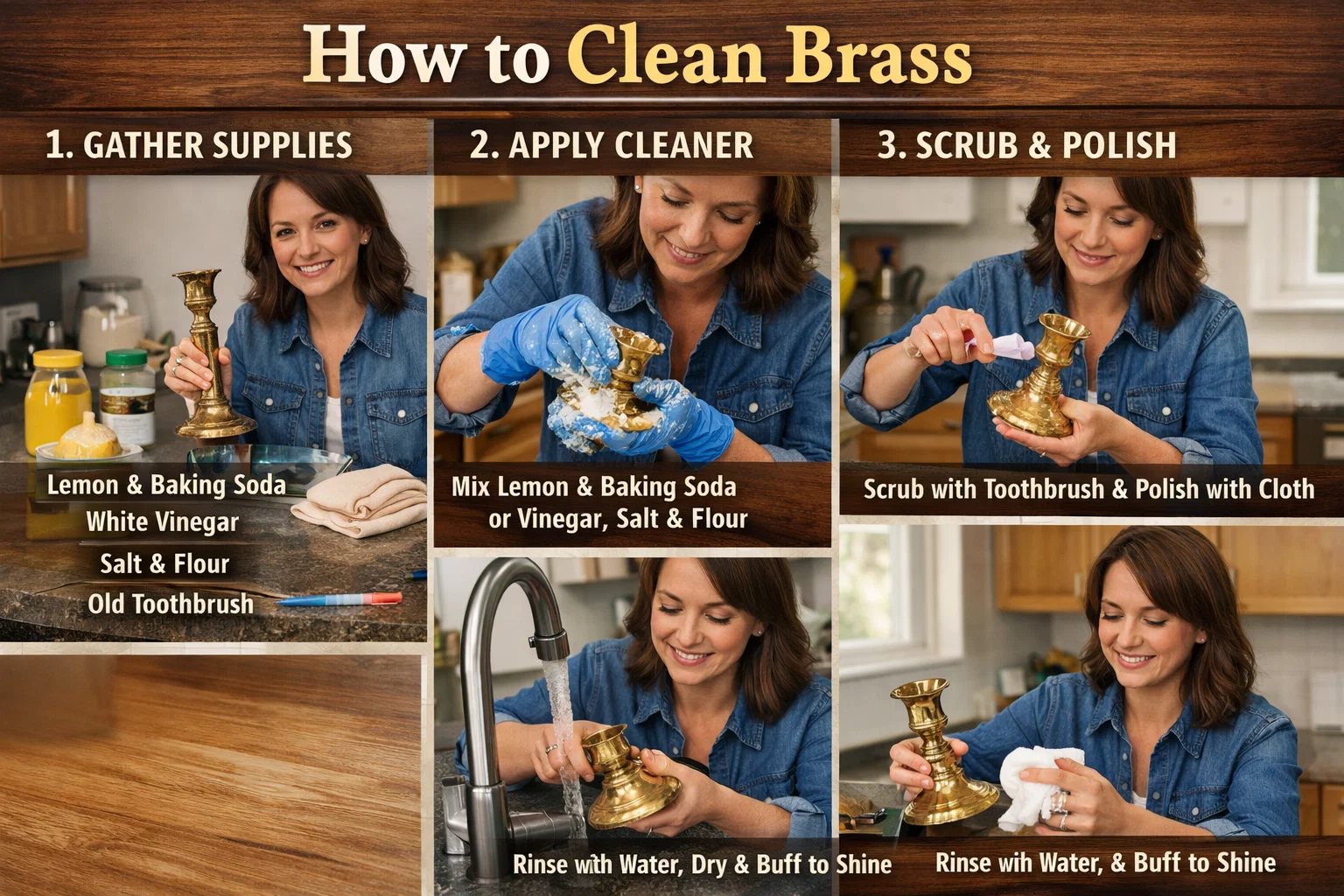
Brass has long been admired for its warm golden glow, timeless elegance, and durability. From antique lamps and musical instruments to door handles and decorative accents, brass adds sophistication to both modern and traditional spaces. However, over time, exposure to air, moisture, and everyday handling causes brass to lose its shine and develop tarnish. Learning how to clean brass properly is essential for preserving its beauty without causing damage. With the right knowledge, tools, and techniques, you can safely restore brass items and maintain their brilliance for years. This guide provides a complete, practical approach that balances effective cleaning with long-term protection and preservation.
What Is Brass and Why It Tarnishes
Brass is an alloy primarily composed of copper and zinc, two metals that create its distinctive golden appearance. The exact ratio how to clean brass of these metals determines the color, strength, and durability of the final product. Because brass contains copper, it reacts with oxygen, humidity, and pollutants in the air. This reaction forms a layer called tarnish, which appears as dullness, dark spots, or greenish discoloration. Tarnish is not harmful, but it affects the metal’s appearance. Environmental conditions such as high humidity, frequent handling, and exposure to oils accelerate this process. Understanding this natural reaction helps explain why regular care and proper cleaning techniques are necessary to keep brass looking polished and attractive.
How to Identify Solid Brass vs Brass-Plated Items
Before beginning any cleaning process, it is crucial to determine whether your item is solid brass or brass-plated. Solid brass can withstand deeper cleaning, while plated items require gentler care. One simple method is the magnet test. Brass is non-magnetic, so if a magnet sticks strongly, the item is likely brass-plated over steel or another metal. Another clue is the weight and wear pattern. Solid brass feels heavier and maintains consistent color even when scratched. Brass-plated items may reveal a different metal underneath. How to clean brass, knowing the difference ensures you use appropriate methods and avoid damaging delicate plated surfaces while still restoring shine effectively.
Essential Supplies You Need Before Cleaning Brass
Having the correct supplies makes the cleaning process safer and more efficient. Most brass items can be cleaned using mild dish soap, warm water, microfiber cloths, and soft brushes. Natural household ingredients such as lemon, vinegar, salt, and baking soda are also highly effective. For deeper tarnish, specialized products like Brasso are designed specifically for brass restoration. How to clean brass, always avoid abrasive materials such as steel wool, which can scratch surfaces. Soft cloths are ideal for both cleaning and polishing. Preparing these supplies in advance ensures a smooth process and helps protect the integrity of the brass while achieving the desired shine.
Natural Methods: Safe and Effective Ways to Restore Shine
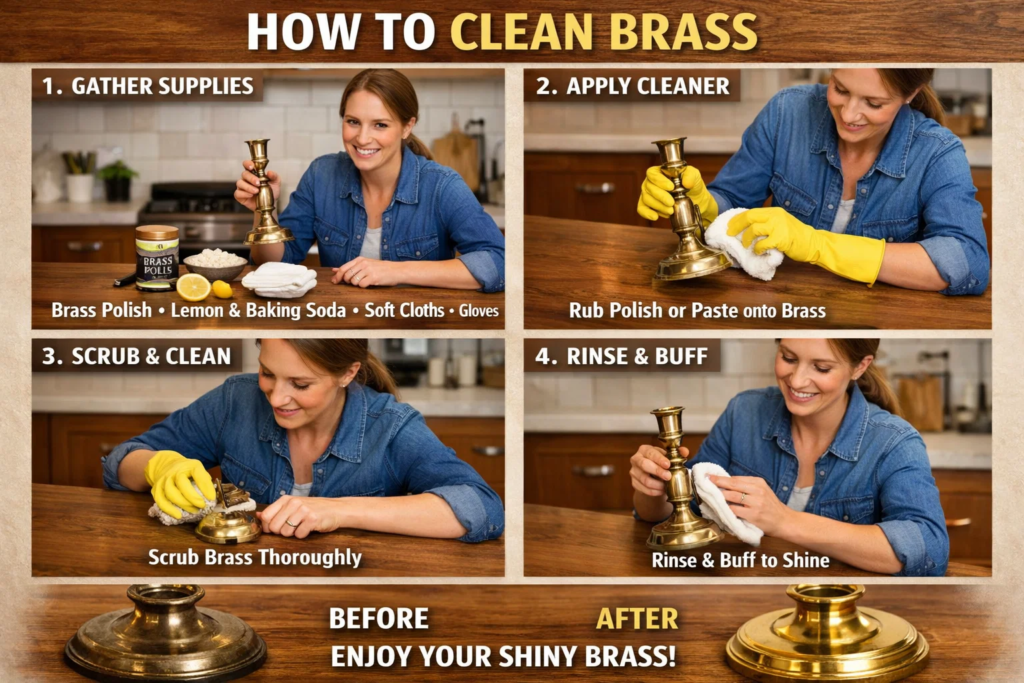
Natural cleaning methods are among the safest and most accessible solutions for restoring brass. A popular approach involves combining lemon juice and baking soda to form a gentle paste. How to clean brass, apply it with a soft cloth, rub gently, and rinse with warm water. Another effective option is mixing vinegar and salt, which helps dissolve tarnish naturally. For stubborn discoloration, a paste made from flour, salt, and vinegar creates a thicker solution that adheres well to surfaces. These methods work because mild acids break down oxidation without damaging the metal. They are cost-effective, environmentally friendly, and suitable for routine maintenance of most brass items.
How to Clean Heavily Tarnished Brass Safely
When brass develops thick or dark tarnish, deeper cleaning techniques are required. Start by washing the item with warm water and mild soap to remove dirt and grease. Apply a natural or commercial cleaner and allow it to sit briefly, but avoid prolonged exposure. Use a soft cloth to rub gently in circular motions, focusing on tarnished areas. Rinse thoroughly and dry immediately to prevent water spots. Repeat if necessary, how to clean brass, but avoid excessive scrubbing. Patience is key when restoring heavily tarnished brass, as aggressive methods can cause scratches. Proper technique ensures the metal regains its shine without compromising its structural integrity.
How to Clean Brass Fixtures, Jewelry, and Decorative Items
Different brass items require slightly different approaches depending on their size, use, and exposure. How to clean brass, Jewelry should be cleaned gently using mild soap and a soft cloth to avoid scratches. Fixtures such as door handles, faucets, and cabinet hardware may require deeper cleaning due to frequent handling. Decorative objects like lamps or antiques benefit from careful polishing to preserve detail. Always remove dust and dirt before applying cleaning solutions. Avoid soaking items with electrical components. Tailoring your method to the specific item ensures safe cleaning while preserving both appearance and functionality. This thoughtful approach extends the life and beauty of brass possessions.
Commercial Brass Cleaners: When and How to Use Them
How to clean brass? Commercial cleaners provide powerful solutions for restoring heavily tarnished brass. Products such as Bar Keepers Friend and WD-40 offer specialized formulas designed to remove oxidation efficiently. These products are especially useful when natural methods are insufficient. How to clean brass, apply according to instructions, using a soft cloth and gentle pressure. Always test on a small, hidden area first to ensure compatibility. Commercial cleaners work quickly and effectively, making them ideal for restoring older or severely tarnished items. Proper use ensures excellent results while minimizing risk of damage or discoloration.
Common Mistakes to Avoid When Cleaning Brass
How to clean brass, many people unintentionally damage brass by using improper cleaning methods. Avoid using abrasive tools such as steel wool or harsh scrubbing pads, which can scratch surfaces permanently. Excessive force is unnecessary and harmful. Never use strong chemicals like bleach, which can weaken the metal. Leaving cleaning solutions on brass too long may cause discoloration. Another mistake is failing to dry brass thoroughly, allowing water spots to form. How to clean brass, Proper technique emphasizes gentle cleaning, patience, and appropriate materials. Avoiding these mistakes ensures safe restoration and preserves the metal’s original beauty and value over time.
How to Polish and Protect Brass for Long-Term Shine
Cleaning removes tarnish, but polishing enhances and protects the surface. How to clean brass, after cleaning, use a clean, dry microfiber cloth to buff the brass gently. This process smooths the surface and enhances its reflective quality. Applying a thin layer of protective wax or mineral oil creates a barrier against air and moisture, slowing future tarnish. Museums, including the Smithsonian Institution, use protective coatings to preserve metal artifacts. How to clean brass, Regular polishing not only improves appearance but also extends the time between cleanings. This simple step ensures brass remains bright, smooth, and visually appealing for extended periods.
How Often You Should Clean Brass and Safety Considerations
How to clean brass, the frequency of cleaning depends on how the brass item is used and exposed to environmental conditions. Frequently handled items such as door handles may need cleaning every few months, while decorative pieces may require less frequent maintenance. Always wear gloves when using cleaning solutions to protect your skin. Ensure good ventilation when using commercial products. Avoid mixing chemicals, as this can create harmful reactions. Regular light cleaning prevents heavy tarnish buildup, reducing the need for intensive restoration. How to clean brass, consistent maintenance keeps brass looking attractive while minimizing effort and preserving its structural integrity.
Conclusion
Understanding how to clean brass effectively allows you to preserve its beauty, value, and durability. Brass naturally tarnishes due to environmental exposure, but proper cleaning and maintenance restore its original shine. Using gentle natural methods, appropriate commercial cleaners, and protective polishing techniques ensures safe and effective results. How to clean brass, avoiding common mistakes prevents damage and extends the life of brass items. With consistent care, brass can remain elegant and visually appealing for generations. Whether maintaining antiques, fixtures, or decorative pieces, the right approach ensures lasting brilliance and timeless charm.
FAQs
1. What is the easiest way to clean brass at home?
The easiest method involves using lemon juice and baking soda to create a gentle paste. Apply it with a soft cloth, rub lightly, and rinse with warm water. This natural solution removes tarnish safely without damaging the metal. It works well for most household brass items and requires minimal effort. Always dry thoroughly after cleaning to prevent water spots. This simple technique is affordable, effective, and suitable for regular maintenance.
2. Can vinegar damage brass?
Vinegar is generally safe when used correctly, but excessive exposure can cause discoloration. Always dilute vinegar with water or combine it with salt or flour to create a balanced cleaning paste. Avoid soaking brass in vinegar for extended periods. Rinse thoroughly after cleaning and dry immediately. Proper use of vinegar effectively removes tarnish while preserving the metal’s surface and structural integrity.
3. How do I clean brass without removing its antique patina?
Antique brass often has a natural patina that adds character and value. To preserve it, use only mild soap and warm water with a soft cloth. Avoid harsh cleaners and excessive polishing. Gentle cleaning removes dirt while maintaining the aged appearance. Preserving patina is especially important for collectible or historical items, as it contributes to authenticity and aesthetic appeal.
4. Is toothpaste safe for cleaning brass?
Toothpaste can be used occasionally because it contains mild abrasives, but it should be applied carefully. Use plain white toothpaste without gel formulas or whitening agents. Rub gently with a soft cloth and rinse thoroughly. Overuse can cause scratches, so it should not replace dedicated brass cleaning methods. Natural solutions or specialized cleaners are generally safer and more reliable.
5. How can I prevent brass from tarnishing quickly?
Applying a thin layer of wax or mineral oil creates a protective barrier against moisture and air. Store brass items in dry environments and avoid frequent handling. Regular dusting also prevents buildup that contributes to tarnish. These preventive measures reduce oxidation and help maintain shine for longer periods, minimizing the need for frequent cleaning.
6. Can I clean brass with soap and water alone?
Yes, mild soap and warm water are effective for removing dirt, oils, and light tarnish. This method is ideal for routine maintenance and delicate items. Use a soft cloth, rinse thoroughly, and dry immediately. While it may not remove heavy tarnish, it helps maintain cleanliness and prevents buildup that leads to deeper discoloration.
For More Update and Stories Visit Daily Guides