 Admin
Admin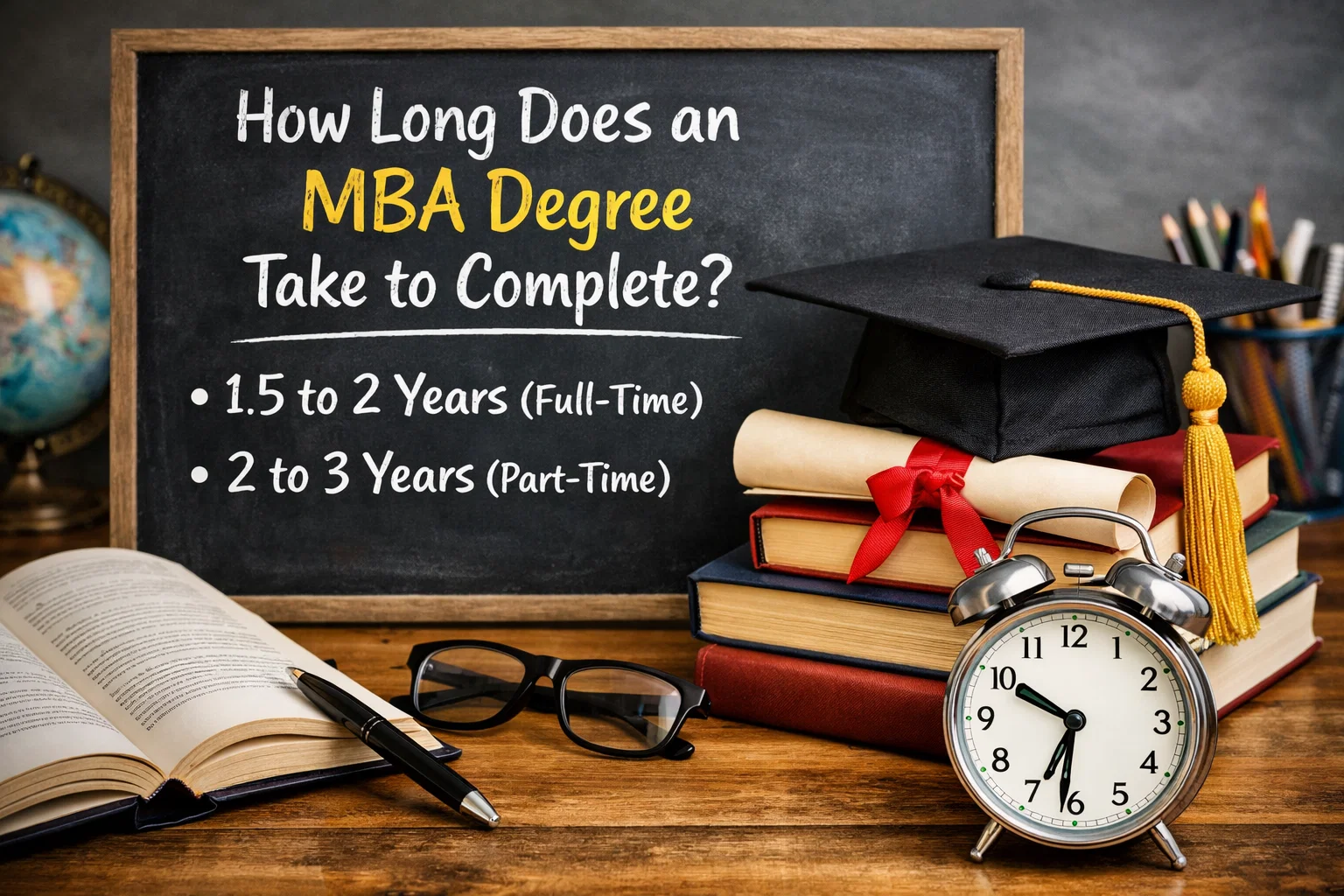
Pursuing a Master of Business Administration is a major decision that can redefine your professional journey. One of the first questions most aspiring students ask is: how long does an MBA degree take to complete? The answer depends on several factors, including program format, enrollment status, specialization, and career goals. Some students complete their MBA in a single year, while others may take up to three years or more. Understanding the timeline helps you plan finances, career transitions, and personal commitments effectively.
An MBA is designed to develop leadership, strategic thinking, and advanced management skills. Universities worldwide offer flexible formats such as full-time, part-time, online, and executive programs to accommodate working professionals and recent graduates. Each pathway has its own duration and structure. How long does an MBA degree take to complete? In this detailed guide, we will explore timelines, influencing factors, and real-world examples to help you determine the right path for your ambitions.
How Long Does an MBA Degree Take to Complete in a Full-Time Program?
How long does an MBA degree take to complete? A traditional full-time MBA typically takes two years to complete in most countries. This is especially common in the United States, where leading institutions like Harvard Business School and Stanford Graduate School of Business follow a structured two-year format. The first year focuses on core subjects such as finance, marketing, operations, and leadership. The second year allows students to select electives, participate in internships, and specialize in a chosen field.
In Europe and parts of Asia, however, many full-time programs are shorter. Prestigious schools such as INSEAD offer a one-year intensive MBA. These programs compress coursework into a shorter timeframe, making them ideal for professionals who want to minimize time away from work. While academically demanding, they provide the same academic rigor as longer programs.

One-Year MBA Programs: A Faster Route
How long does an MBA degree take to complete? For candidates eager to accelerate their careers, a one-year MBA can be an attractive option. These programs are highly intensive and often require prior academic or professional business experience. Schools like London Business School provide accelerated formats that focus heavily on core modules without extended breaks.
A one-year MBA reduces tuition and living costs compared to a two-year program. How long does an MBA degree take to complete? However, students may have fewer internship opportunities because of the condensed schedule. This format suits individuals who already possess strong foundational knowledge and wish to return to the workforce quickly. It is particularly popular among professionals with clear career goals and industry experience.
Part-Time MBA: Flexible but Longer Duration
A part-time MBA is designed for working professionals who prefer to study alongside their careers. These programs generally take three to five years to complete, depending on course load and institutional policies. Classes are often scheduled in the evenings or on weekends, allowing students to maintain full-time employment.
The flexibility of a part-time MBA reduces financial pressure because students can continue earning income. How long does an MBA degree take to complete? However, balancing work, study, and personal life requires strong time management skills. While the duration is longer than full-time programs, the advantage lies in applying learned concepts immediately in the workplace. Many mid-career professionals choose this format to avoid interrupting their career trajectory.
Executive MBA (EMBA): Designed for Senior Professionals
An Executive MBA is tailored for experienced managers and senior executives. Typically lasting 18 to 24 months, EMBA programs are structured around intensive weekend or modular sessions. Institutions such as Wharton School offer highly ranked EMBA options that emphasize leadership, global strategy, and executive decision-making.
How long does an MBA degree take to complete? Participants usually have significant work experience, often exceeding ten years. The curriculum builds on professional knowledge rather than basic business principles. Because students remain employed, companies sometimes sponsor tuition fees. Although rigorous, EMBA programs allow leaders to continue managing responsibilities while enhancing strategic capabilities.
Online MBA Programs: Flexible Timelines
Online MBA programs have gained popularity due to technological advancements and global accessibility. The duration varies widely, typically ranging from 18 months to three years. Some universities allow accelerated completion within 12 to 15 months, while others provide flexible pacing for up to five years.
How long does an MBA degree take to complete? The online format eliminates geographical barriers and commuting time. It is ideal for international students or professionals with demanding schedules. Coursework is delivered through virtual lectures, interactive assignments, and collaborative projects. While flexible, online programs still maintain academic standards comparable to on-campus options.
Dual-Degree and Specialized MBA Programs
How long does an MBA degree take to complete? Some students pursue dual-degree programs, combining an MBA with degrees in law, healthcare administration, engineering, or public policy. These integrated programs generally take three to four years to complete. Although longer than standard MBAs, they offer expanded expertise and broader career opportunities.
Specialized MBA programs in finance, entrepreneurship, technology management, or international business may not significantly change the duration but often include focused coursework. The timeline depends on credit requirements and internship components. Students seeking niche industries should evaluate whether additional semesters are necessary.
Factors That Influence MBA Duration
How long does an MBA degree take to complete? Several variables determine how long your MBA journey will last. Enrollment status is the primary factor—full-time students graduate faster than part-time candidates. Credit transfer policies can also reduce completion time for individuals with prior graduate coursework.
Professional experience sometimes influences program length, especially in executive formats. Internship requirements, thesis projects, and capstone modules may add extra months. Additionally, personal circumstances such as career breaks or family commitments can extend the timeline. Evaluating these elements helps you set realistic expectations before enrollment.
Comparing MBA Duration by Country
The length of MBA programs differs significantly across regions. In the United States, two-year programs dominate the academic landscape. In Europe, one-year programs are common, offering intensive and globally focused education. Countries like Canada and Australia provide both one-year and two-year formats depending on institutional policies.
How long does an MBA degree take to complete? In Asia, MBA durations vary widely, ranging from 12 to 24 months. Global business schools aim to balance academic rigor with market demand. Prospective students should consider visa regulations, internship opportunities, and post-study work policies when choosing a destination.
Is a Longer MBA Better?
The duration of an MBA does not necessarily determine its value. A two-year program may offer deeper networking opportunities, internships, and leadership development. A one-year format, however, minimizes opportunity costs and accelerates career progression.
How long does an MBA degree take to complete? The best option depends on your goals. Early-career professionals might benefit from internships in longer programs, while experienced managers may prefer shorter, intensive pathways. Evaluating return on investment, career objectives, and learning style will help determine the ideal duration.
Cost vs. Time Commitment
Time and financial investment go hand in hand. Longer programs typically involve higher tuition fees and living expenses. How long does an MBA degree take to complete? However, they may provide scholarships, internships, and on-campus recruitment advantages. Shorter programs reduce opportunity cost but require intense dedication.
Before committing, assess total expenses including tuition, materials, accommodation, and lost income. Comparing these costs against expected salary growth after graduation offers clarity. Many MBA graduates report substantial salary increases within three years of completion, making the investment worthwhile.
Career Impact and Timeline Considerations
An MBA often leads to promotions, salary increases, and leadership roles. However, the timeline to see results varies by industry and geographic location. Graduates from globally recognized institutions often secure job offers before completing the program.
How long does an MBA degree take to complete? The networking environment, alumni connections, and internship exposure significantly influence career outcomes. Choosing a format aligned with your professional goals ensures long-term success. Whether you complete your MBA in one year or five, strategic planning remains key.
Conclusion
So, how long does an MBA degree take to complete? The answer depends on your chosen format, career stage, and personal commitments. A full-time MBA typically takes one to two years, while part-time programs may extend to three to five years. Executive and online formats provide flexibility ranging from 18 months to three years. Ultimately, the right duration is the one that aligns with your career aspirations, financial situation, and learning preferences.
An MBA is more than a degree—it is a transformational experience. By understanding timelines and options, you can make an informed decision that supports your professional growth. Carefully evaluate program structures, global opportunities, and long-term returns before embarking on this journey.
Frequently Asked Questions (FAQs)
1. Can I complete an MBA in one year?
Yes, many universities offer accelerated one-year MBA programs, particularly in Europe and Asia. These programs are intensive and best suited for experienced professionals.
2. Is a part-time MBA longer than a full-time MBA?
Yes, part-time programs usually take three to five years because students study while working full-time.
3. How long does an Executive MBA take?
Most EMBA programs last between 18 and 24 months and are designed for senior professionals with extensive experience.
4. Are online MBA programs shorter?
Online programs vary in duration. Some can be completed in 12–18 months, while others allow flexible pacing over several years.
5. Does MBA specialization affect duration?
Most specializations do not significantly change the timeline, but dual-degree programs can extend study to three or four years.
6. Which country offers the shortest MBA programs?
Many European institutions offer one-year MBA programs, making them among the shortest globally.
For More Update and Stories Visit Daily Guides