
 Admin
Admin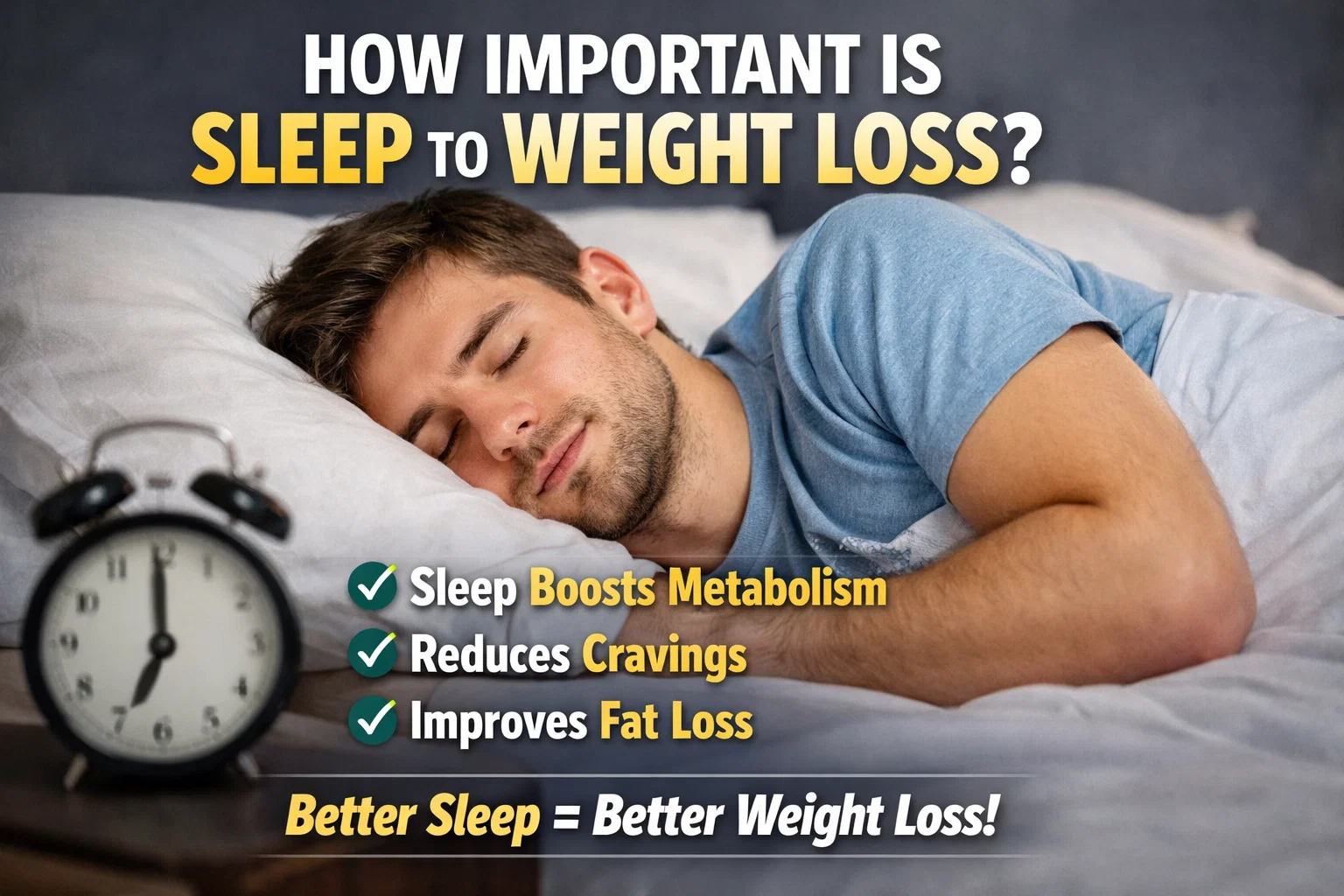
Many people begin their weight loss journey by focusing on calories, workouts, and diet plans, yet they often overlook one of the most powerful tools for fat loss: sleep. Understanding how important is sleep to weight loss can change the way you approach your health entirely. Sleep is not simply a period of rest; it is an active biological process that regulates hormones, metabolism, appetite, and recovery. When sleep quality or duration is poor, the body responds by conserving fat, increasing hunger, and reducing energy expenditure. This makes weight loss significantly harder, even with strict dieting. By exploring the deep connection between sleep and body weight, this article reveals why prioritizing rest is essential for long-term, sustainable fat loss.
The Biological Link Between Sleep and Weight Management
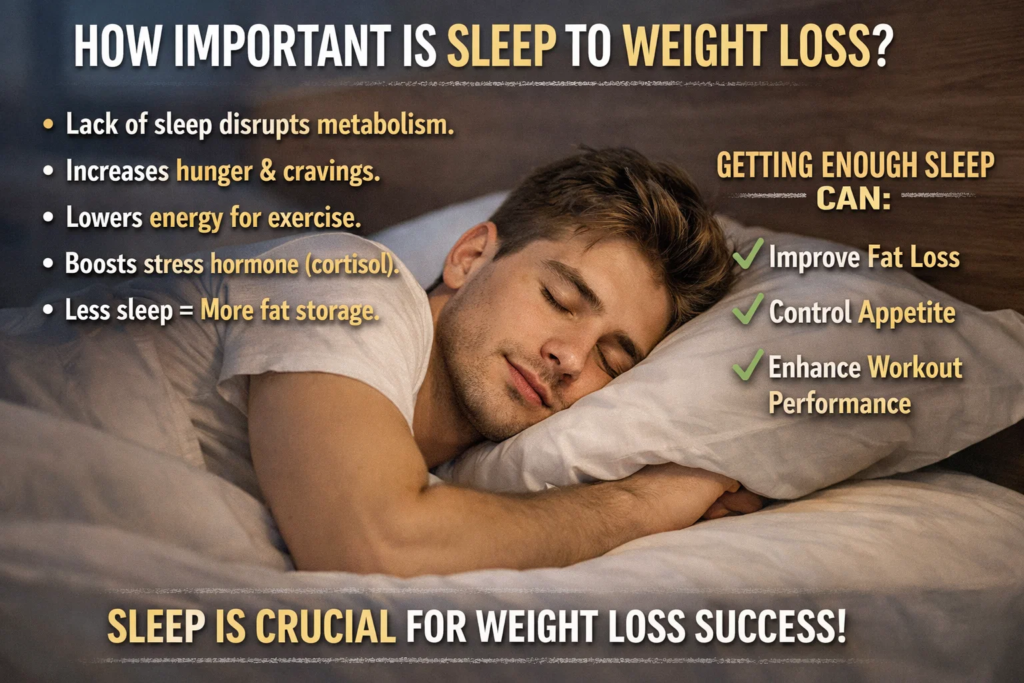
Sleep directly influences how the body processes energy and stores fat. During deep sleep, the body repairs tissues, balances hormones, and regulates glucose metabolism. When sleep is shortened or disrupted, insulin sensitivity decreases, causing the body to store more fat instead of burning it. Research consistently shows that individuals who sleep fewer than six hours per night are more likely to gain weight over time. Understanding how important is sleep to weight loss begins with recognizing that the body interprets sleep deprivation as a stress signal. This stress response encourages fat retention, particularly around the abdomen, and reduces the efficiency of calorie burning during daily activities.
How Sleep Affects Hunger Hormones
Two primary hormones control hunger: ghrelin and leptin. Ghrelin stimulates appetite, while leptin signals fullness. Sleep deprivation increases ghrelin levels and suppresses leptin production, creating a perfect storm for overeating. People who sleep poorly often experience intense cravings for high-calorie, sugary, and fatty foods. This hormonal imbalance explains why willpower alone cannot compensate for lack of rest. When discussing how important is sleep to weight loss, hormone regulation is one of the strongest arguments. Proper sleep restores balance, helping you naturally control portion sizes and reduce unnecessary snacking without feeling deprived.
The Impact of Sleep on Metabolism and Fat Burning
Metabolism is not fixed; it adapts to lifestyle habits, including sleep patterns. Poor sleep slows resting metabolic rate, meaning the body burns fewer calories at rest. Additionally, sleep deprivation reduces the body’s ability to oxidize fat for fuel, forcing it to rely more on carbohydrates. Over time, this shift promotes fat storage. Studies indicate that even short-term sleep loss can reduce fat loss by up to 55 percent, even when calorie intake remains controlled. This highlights how important is sleep to weight loss, especially for individuals who struggle despite consistent diet and exercise routines.
Sleep, Cortisol, and Belly Fat Storage
Cortisol is known as the stress hormone, and its levels rise when sleep is inadequate. Chronically elevated cortisol encourages fat storage, particularly in the abdominal region. This type of fat is not only stubborn but also linked to metabolic diseases. Poor sleep places the body in a constant state of stress, making it harder to shed excess weight. From a physiological standpoint, understanding how important is sleep to weight loss means recognizing sleep as a natural cortisol regulator. High-quality sleep lowers stress levels, allowing the body to release stored fat more efficiently.
Why Sleep Deprivation Increases Emotional Eating
Sleep affects the brain’s decision-making centers. When sleep-deprived, the prefrontal cortex becomes less active, while reward centers become more sensitive. This imbalance leads to impulsive food choices and emotional eating. Late-night snacking and comfort food cravings are common symptoms of insufficient rest. People often confuse these urges with hunger, when they are actually neurological responses to fatigue. Recognizing how important is sleep to weight loss includes understanding the psychological side of eating behaviors. Adequate sleep improves self-control, emotional regulation, and consistency with healthy habits.
The Relationship Between Sleep and Exercise Performance
Exercise plays a major role in weight loss, but sleep determines how effective those workouts truly are. Poor sleep reduces strength, endurance, coordination, and motivation. It also increases perceived exertion, making workouts feel harder than they should. Additionally, lack of sleep slows muscle recovery, which can reduce lean muscle mass over time. Since muscle tissue burns more calories than fat, this negatively affects metabolism. Anyone asking how important is sleep to weight loss must consider exercise quality, not just frequency. Better sleep leads to stronger workouts, improved fat burning, and faster results.
Sleep Duration vs Sleep Quality: What Matters More?
Both sleep duration and sleep quality matter, but quality often has the greatest impact. Seven to nine hours of uninterrupted, deep sleep allows the body to complete full sleep cycles essential for hormonal balance and recovery. Fragmented sleep, even if long enough, can still disrupt metabolic processes. Deep sleep stages are when growth hormone is released, supporting fat breakdown and muscle repair. Understanding how important is sleep to weight loss means prioritizing consistent, high-quality sleep rather than simply spending more time in bed without restorative rest.
How Poor Sleep Disrupts Blood Sugar Regulation
Sleep deprivation interferes with glucose metabolism, increasing the risk of insulin resistance. When cells become less responsive to insulin, blood sugar levels rise, leading to increased fat storage. This mechanism explains why short sleepers have a higher risk of obesity and type-2 diabetes. Even one night of poor sleep can temporarily reduce insulin sensitivity. For individuals focused on fat loss, understanding how important is sleep to weight loss includes recognizing sleep as a powerful tool for stabilizing blood sugar and preventing energy crashes that trigger overeating.
Sleep and Long-Term Weight Loss Sustainability
Crash diets and extreme workouts may deliver short-term results, but sustainable weight loss depends on lifestyle balance. Sleep supports consistency, motivation, and physiological stability. People who prioritize sleep are more likely to maintain healthy eating patterns and regular physical activity over time. In contrast, chronic sleep deprivation often leads to burnout and weight regain. From a long-term perspective, how important is sleep to weight loss becomes clear when examining success rates. Sustainable results are far more common among individuals who treat sleep as a non-negotiable health habit.
Practical Sleep Habits That Support Weight Loss
Improving sleep does not require drastic measures. Simple habits like maintaining a consistent bedtime, limiting screen exposure before sleep, and creating a calm sleeping environment can dramatically improve sleep quality. Reducing caffeine intake in the afternoon and managing stress through relaxation techniques also help. These small changes enhance hormonal balance and metabolic efficiency. Anyone serious about understanding how important is sleep to weight loss should view sleep hygiene as part of their overall weight management strategy, not as an optional extra.
The Role of Circadian Rhythm in Fat Loss
The circadian rhythm is the body’s internal clock that regulates sleep, hunger, and energy use. Disruptions caused by irregular sleep schedules or late-night eating confuse this system. When circadian rhythms are misaligned, the body becomes more prone to fat storage. Aligning meals, exercise, and sleep with natural daylight cycles improves metabolic health. This reinforces how important is sleep to weight loss, especially for individuals with shift work schedules or inconsistent routines. Restoring rhythm balance can significantly improve fat-loss efficiency.
Common Myths About Sleep and Weight Loss
Many believe that sacrificing sleep for workouts or productivity accelerates weight loss, but this belief is misleading. Skipping sleep often leads to increased hunger, reduced workout quality, and slower metabolism. Another myth is that sleep only matters when dieting, not when maintaining weight. In reality, sleep plays a role at every stage of weight management. Understanding how important is sleep to weight loss requires separating myths from biological facts and recognizing that sleep is a foundational health behavior, not a luxury.
Conclusion
Sleep is not a passive state; it is an active biological process that shapes metabolism, appetite, hormone balance, and mental resilience. Ignoring sleep while pursuing weight loss is like trying to drive with the brakes engaged. When people truly understand how important is sleep to weight loss, they shift their focus from extreme restriction to holistic health. Prioritizing sleep enhances fat burning, improves self-control, boosts exercise performance, and supports long-term success. Sustainable weight loss is not achieved by doing more, but by recovering better. Quality sleep is the silent partner behind every effective weight loss plan.
Frequently Asked Questions (FAQs)
1. Can poor sleep really stop weight loss even with dieting?
Yes, poor sleep disrupts hormones, metabolism, and appetite control, making fat loss significantly harder despite calorie restriction.
2. How many hours of sleep are ideal for weight loss?
Most adults benefit from 7–9 hours of high-quality sleep per night to support hormonal balance and metabolism.
3. Does sleeping more automatically lead to weight loss?
Sleep alone does not cause weight loss, but it creates the biological conditions needed for effective fat burning and appetite regulation.
4. Is oversleeping bad for weight loss?
Excessive sleep may indicate poor sleep quality or underlying issues, but consistent, restorative sleep is beneficial for weight control.
5. Does sleep timing matter as much as sleep duration?
Yes, irregular sleep schedules can disrupt circadian rhythm, increasing fat storage and reducing metabolic efficiency.
6. Can naps replace lost nighttime sleep for weight loss?
Short naps help reduce fatigue, but they cannot fully replace the metabolic and hormonal benefits of nighttime sleep.
For More Update and Stories Visit Daily Guides