 Admin
Admin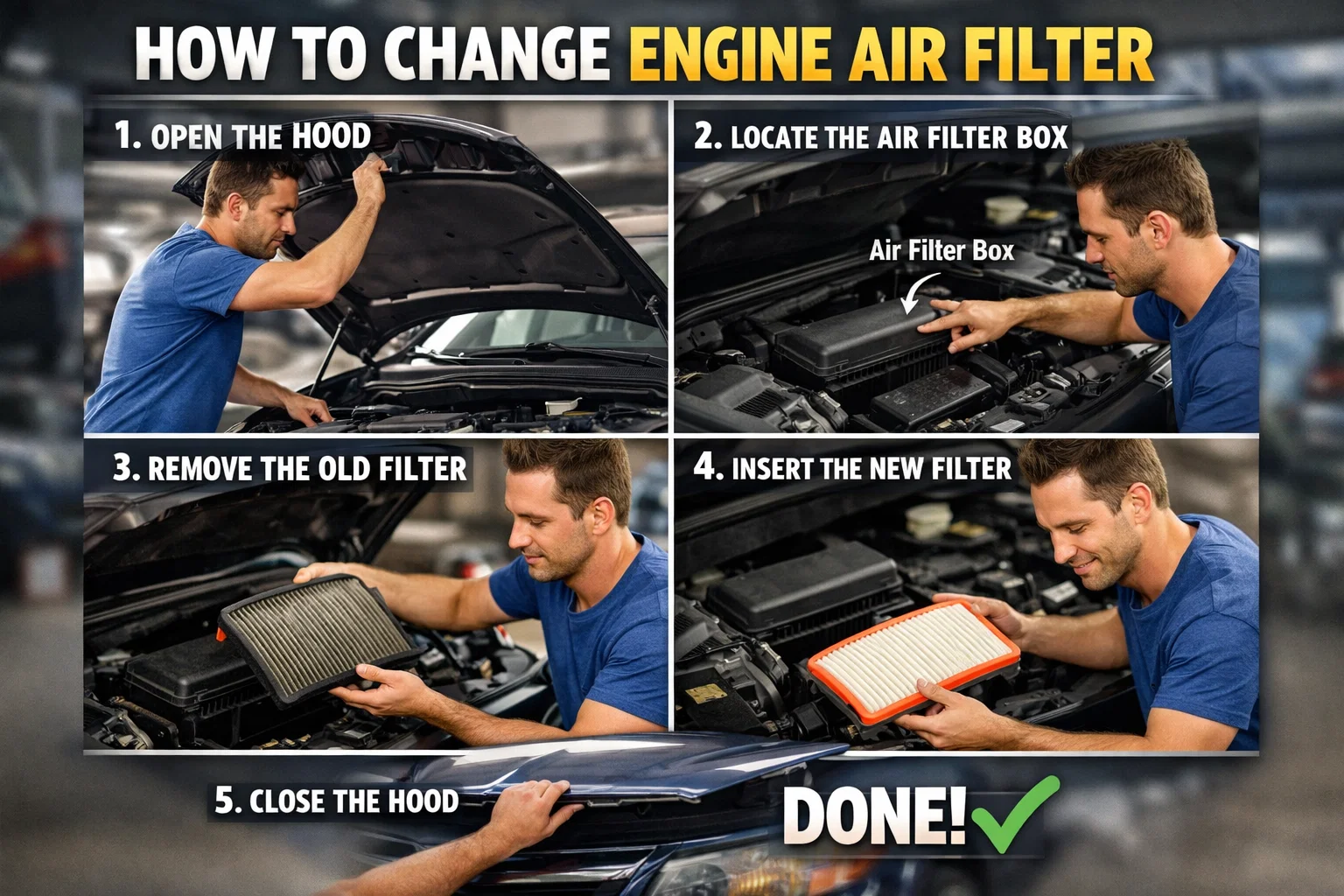
Every vehicle depends on clean airflow to run smoothly, efficiently, and reliably. One of the simplest yet most overlooked maintenance tasks is learning how to change engine air filter, which directly impacts engine performance, fuel economy, and longevity. The engine air filter prevents dust, dirt, debris, and contaminants from entering the engine, ensuring only clean air mixes with fuel for proper combustion. Over time, this filter becomes clogged, restricting airflow and forcing the engine to work harder. Fortunately, replacing it is quick, affordable, and requires minimal tools. Whether you are a beginner or experienced car owner, understanding this process empowers you to maintain your vehicle’s health and avoid unnecessary repair costs.
What Is an Engine Air Filter and Why It Matters
The engine air filter is a rectangular or cylindrical component designed to trap harmful particles before they enter the engine. It plays a crucial role in maintaining the correct air-fuel mixture required for combustion. Clean air improves fuel efficiency, engine responsiveness, and overall performance. When the filter becomes clogged, airflow decreases, causing inefficient fuel burning and reduced power output. This can also increase emissions and strain engine components.
Modern vehicles rely on precise airflow measurements, and a dirty filter disrupts this balance. By understanding how to change engine air filter, you ensure the engine receives optimal airflow. This small maintenance task contributes significantly to engine longevity, smoother acceleration, and reduced fuel consumption over time.
Signs Your Engine Air Filter Needs Replacement
Recognizing the warning signs of a dirty air filter helps prevent engine inefficiency and damage. One common symptom is reduced fuel economy, as restricted airflow forces the engine to burn more fuel to compensate. You may also notice sluggish acceleration, rough idling, or reduced engine power. These performance changes occur because the engine struggles to maintain proper combustion.
Another visible sign is a dark, dirty filter filled with debris. Some vehicles may trigger a check engine light, indicating airflow imbalance. Unusual engine sounds or black smoke from the exhaust may also appear in severe cases. Learning how to change engine air filter at the right time prevents these issues and restores normal vehicle performance quickly and effectively.
Benefits of Replacing the Engine Air Filter Regularly
Replacing the engine air filter provides several important benefits that directly improve vehicle performance. First, it enhances fuel efficiency by allowing proper airflow, ensuring efficient combustion. This means your engine does not waste fuel trying to compensate for restricted air supply. Second, it improves acceleration and engine responsiveness, making driving smoother and more enjoyable.
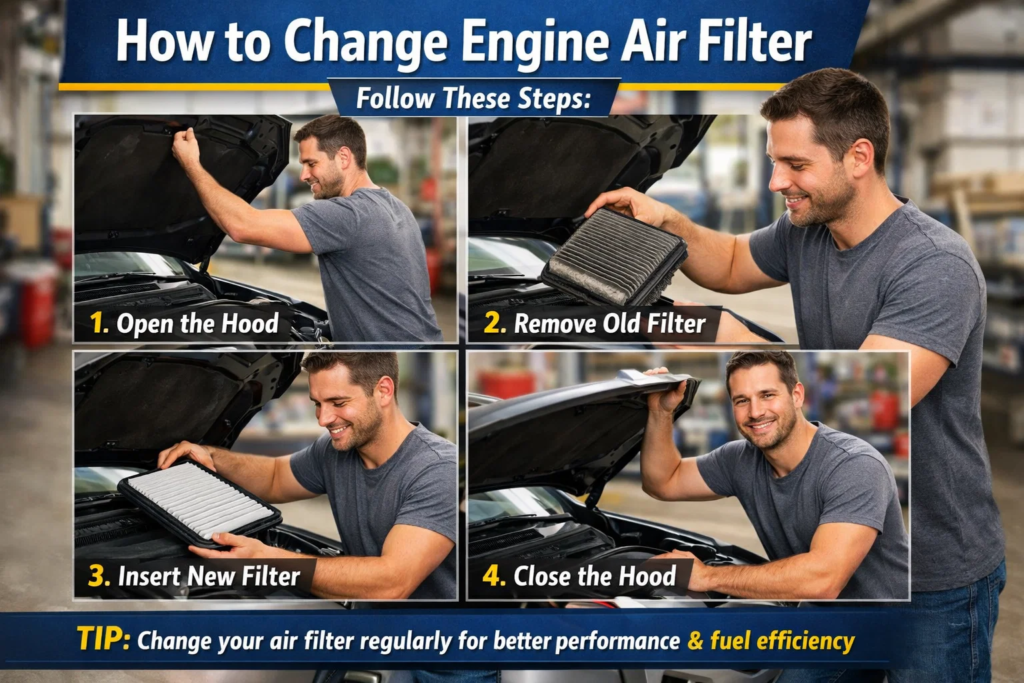
Another major advantage is extended engine life. Clean airflow reduces strain on internal components, preventing premature wear. It also helps reduce harmful emissions, making your vehicle more environmentally friendly. When you understand how to change engine air filter and perform regular replacements, you protect your engine and avoid costly repairs while ensuring optimal performance for years.
Tools and Supplies You Will Need
One of the best aspects of replacing an engine air filter is its simplicity. Most vehicles require minimal tools, and the process usually takes less than fifteen minutes. In many cases, you may only need your hands, while some models require a screwdriver to open the filter housing. Always check your vehicle’s manual to identify the correct filter type.
Essential supplies include a new engine air filter, a screwdriver if needed, and a clean cloth to remove dust from the housing. Gloves are optional but helpful for cleanliness. Preparing these items beforehand makes the process smoother and faster. Once ready, you can confidently begin learning how to change engine air filter without professional assistance.
How to Change Engine Air Filter: Step-by-Step Instructions
Locate the Engine Air Filter Housing
The first step is locating the air filter housing under the hood. It is usually a black plastic box positioned near the front or side of the engine compartment. This housing protects the filter and connects to the engine’s air intake system. Most housings are easy to identify due to their size and placement.
Consult your vehicle owner’s manual if you cannot find it immediately. Different vehicle models have slightly different layouts, but the housing remains accessible. Understanding this location is essential when learning how to change engine air filter correctly and efficiently without damaging surrounding components.
Open the Air Filter Housing Carefully
Once you locate the housing, open it by releasing the clips, clamps, or screws that secure it. Many vehicles use metal clips that can be opened by hand, while others require a screwdriver. Open the housing gently to avoid breaking plastic components or loosening nearby connections.
Carefully lift the cover and set it aside in a safe place. This exposes the old air filter inside. Opening the housing properly ensures easy removal and installation. This step is critical in the process of how to change engine air filter safely and without causing accidental damage.
Remove the Old Air Filter
After opening the housing, carefully remove the old air filter. Take note of its orientation, as the new filter must be installed the same way. Inspect the filter for dirt, debris, and discoloration. A heavily clogged filter confirms it was restricting airflow.
Removing the old filter also allows you to inspect the housing area. Avoid shaking the filter excessively, as dirt may fall into the intake system. Proper removal ensures a clean installation process. This step helps you fully understand how to change engine air filter and maintain optimal engine airflow.
Clean the Filter Housing Area
Before installing the new filter, clean the housing using a dry cloth. Remove any dust, leaves, or debris present inside the compartment. This prevents contaminants from entering the engine once the new filter is installed. Never use water or liquid cleaners, as moisture can damage engine components.
Cleaning the housing ensures the new filter functions effectively. It also improves airflow and protects internal engine parts. This preparation step is often overlooked but plays an important role when learning how to change engine air filter properly and professionally.
Install the New Engine Air Filter
Place the new air filter into the housing exactly as the old one was positioned. Ensure it fits securely and aligns properly with the housing edges. A loose or misaligned filter allows unfiltered air to enter the engine, reducing effectiveness.
Take your time to position the filter correctly. Modern filters are designed to fit precisely, making installation straightforward. Installing the new component correctly is the most important step in how to change engine air filter, ensuring maximum engine protection and performance improvement.
Close and Secure the Housing
After installing the new filter, carefully close the housing cover. Reattach the clips, clamps, or screws securely to prevent air leaks. Make sure everything is properly sealed, as loose housing can allow dirt to bypass the filter.
Double-check that all fasteners are secure before closing the hood. Proper sealing ensures the filter functions as intended. Completing this step successfully finalizes the process of how to change engine air filter and restores clean airflow to your engine system.
Start the Engine and Verify Performance
Once everything is reassembled, start your engine and let it run for a few minutes. Listen for unusual noises and ensure smooth idling. In most cases, you will notice improved responsiveness and smoother performance immediately.
This final step confirms successful installation and proper airflow. Your engine will now operate more efficiently with clean air supply. Verifying performance completes the full process of how to change engine air filter and ensures your vehicle is ready for safe driving.
How Often Should You Replace the Engine Air Filter
Most manufacturers recommend replacing the engine air filter every 12,000 to 15,000 miles, depending on driving conditions. However, vehicles driven in dusty environments, heavy traffic, or off-road conditions may require more frequent replacement. Regular inspection helps determine the right replacement interval.
Checking the filter every few months ensures it remains clean and effective. If it appears dirty or clogged, replace it immediately. Understanding replacement intervals is essential when learning how to change engine air filter and maintaining consistent engine performance throughout the year.
Choosing the Right Engine Air Filter for Your Vehicle
Selecting the correct air filter ensures proper fit and performance. Always refer to your vehicle’s owner manual or part number specifications. Filters come in different materials, including paper, foam, and high-performance synthetic designs. Each type offers varying levels of filtration and airflow efficiency.
Using the wrong filter can reduce performance or allow contaminants into the engine. Quality filters provide better durability and improved airflow. Choosing the correct component is a vital part of how to change engine air filter and ensures long-term engine protection and reliability.
Common Mistakes to Avoid During Replacement
Many car owners make simple mistakes when replacing their air filter. One common error is installing the filter incorrectly, which allows unfiltered air to enter the engine. Another mistake is failing to clean the housing, leaving debris behind that contaminates the new filter.
Some people also forget to secure the housing properly, leading to air leaks. Additionally, delaying replacement for too long can damage engine components. Avoiding these mistakes ensures successful results when learning how to change engine air filter and keeps your engine operating efficiently and safely.
Maintenance Tips to Extend Air Filter Life
Regular inspection helps extend the life of your air filter and engine. Check the filter during routine oil changes and replace it when necessary. Driving in cleaner environments and avoiding dusty roads can also reduce contamination.
Keeping the engine compartment clean prevents debris from entering the filter housing. Consistent maintenance reduces engine strain and improves fuel efficiency. Following these tips complements your knowledge of how to change engine air filter and ensures reliable vehicle performance over time.
Cost Savings of Replacing It Yourself
Replacing the air filter yourself is highly cost-effective compared to visiting a mechanic. Professional replacement may cost $40 to $100, while a new filter typically costs only $10 to $30. The installation process takes less than fifteen minutes, making it one of the easiest DIY maintenance tasks.
By learning how to change engine air filter, you save money on labor costs and gain valuable maintenance skills. Regular replacement also prevents expensive engine repairs caused by restricted airflow, making it a smart financial decision.
Conclusion
Understanding how to change engine air filter is one of the most valuable and simple maintenance skills every vehicle owner should learn. This small component plays a crucial role in protecting your engine, improving fuel efficiency, and ensuring smooth performance. Regular replacement prevents dirt buildup, reduces engine strain, and extends engine lifespan. The process requires minimal tools, takes only a few minutes, and saves money compared to professional service. By following proper steps and maintenance schedules, you ensure your vehicle operates efficiently and reliably. Consistent care of your engine air filter contributes to long-term vehicle health, improved driving experience, and reduced maintenance costs.
FAQs
How long does it take to change an engine air filter?
Changing an engine air filter typically takes 10 to 15 minutes, even for beginners. Most vehicles have easily accessible filter housings that do not require special tools. Once you locate the housing, removing and installing the new filter is straightforward. Preparing beforehand ensures a faster process. Learning how to change engine air filter saves time and eliminates the need for professional assistance. With practice, the process becomes even quicker. Regular replacement ensures optimal engine performance, improved fuel efficiency, and reduced engine wear, making this quick maintenance task extremely valuable for vehicle longevity.
Can I drive with a dirty engine air filter?
Driving with a dirty engine air filter is possible, but it is not recommended. A clogged filter restricts airflow, causing reduced fuel efficiency, slower acceleration, and increased engine strain. Over time, this can damage engine components and increase emissions. Ignoring replacement can lead to costly repairs and poor performance. Understanding how to change engine air filter helps prevent these issues. Replacing the filter promptly ensures clean airflow, proper combustion, and reliable engine operation. Regular maintenance improves engine lifespan and maintains consistent vehicle performance without unnecessary mechanical stress or efficiency loss.
Does replacing the air filter improve fuel economy?
Yes, replacing a dirty air filter can significantly improve fuel economy. A clean filter allows proper airflow, ensuring efficient combustion and reducing fuel consumption. When airflow is restricted, the engine compensates by using more fuel, lowering efficiency. Installing a new filter restores optimal airflow balance. Learning how to change engine air filter helps maintain consistent fuel efficiency. Improved airflow also enhances engine responsiveness and performance. Regular replacement ensures the engine operates at peak efficiency, reducing fuel expenses and improving overall driving experience for both short trips and long journeys.
What happens if the air filter is installed incorrectly?
Installing the air filter incorrectly can allow unfiltered air to enter the engine. This exposes internal components to dirt, debris, and contaminants, causing damage and reduced performance. Improper installation may also result in air leaks, reducing filtration effectiveness. Ensuring correct alignment and secure housing closure prevents these issues. Understanding how to change engine air filter properly helps avoid installation mistakes. Always check the filter orientation and housing seal before starting the engine. Proper installation ensures clean airflow, engine protection, and optimal performance without unnecessary mechanical risks.
How do I know which air filter is compatible with my car?
You can identify the correct air filter by checking your vehicle’s owner manual or using the recommended part number. Auto parts stores and manufacturers provide compatibility information based on vehicle model, year, and engine type. Using the correct filter ensures proper fit and performance. Incorrect filters may allow contaminants into the engine or restrict airflow. Learning how to change engine air filter includes selecting the right component. Choosing high-quality filters improves durability and filtration efficiency, ensuring long-term engine protection and reliable vehicle performance.
Is it necessary to use expensive air filters?
Expensive air filters are not always necessary, but quality matters. Standard filters provide excellent protection for most vehicles, while premium filters offer improved durability and airflow. Choosing a reliable brand ensures proper filtration. Cheap, low-quality filters may wear out quickly or fail to protect the engine effectively. Understanding how to change engine air filter helps you select the best option based on your driving needs. Investing in a good filter improves engine efficiency, protects internal components, and ensures consistent vehicle performance without excessive costs.
For More Update and Stories Visit Daily Guides