
 Admin
Admin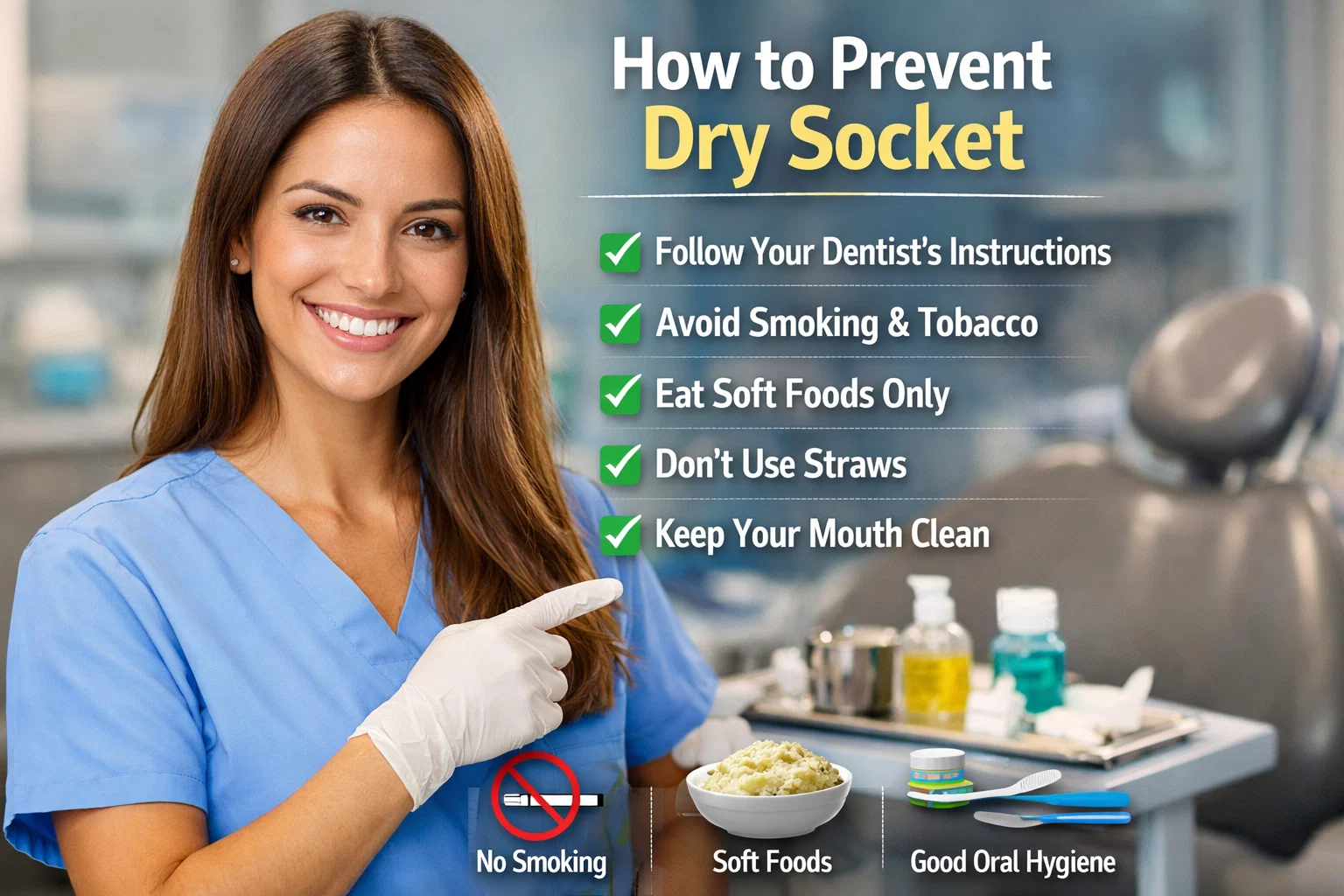
Tooth extraction is a common dental procedure, but proper aftercare is essential to ensure smooth healing and avoid complications. One of the most painful and preventable complications is dry socket, medically known as alveolar osteitis. This condition occurs when the protective blood clot at the extraction site becomes dislodged or fails to form properly, exposing sensitive bone and nerves. Learning how to prevent dry socket is crucial because prevention is far easier and less painful than treatment. With the right care, awareness, and habits, you can significantly reduce your risk. Understanding healing stages, risk factors, and proper aftercare ensures faster recovery and protects your oral health.
What Is Dry Socket and Why It Happens
Dry socket develops when the blood clot that normally forms after tooth extraction is lost or does not form correctly. This clot acts as a protective layer, covering exposed bone and nerve endings. Without it, the area becomes vulnerable to bacteria, inflammation, and severe pain. According to the American Dental Association, dry socket is one of the most common complications following tooth removal, particularly wisdom tooth extraction. The condition usually appears within 2–5 days after extraction. Loss of the clot disrupts healing, increases infection risk, and delays tissue regeneration. Understanding how to prevent dry socket why dry socket occurs helps patients follow proper care and avoid complications.
Why Blood Clot Formation Is Critical for Healing
The blood clot formed after extraction is essential for natural healing. It protects the wound, supports tissue growth, and prevents bacterial contamination. This clot contains proteins and cells necessary for tissue repair. It also acts as a foundation for new bone and gum formation. How to prevent dry socket? If the clot is disturbed, healing slows significantly. The clot must remain stable during the first few days after extraction. Protecting this clot ensures faster recovery and reduces pain. Proper aftercare supports clot stability and promotes healthy healing. Preserving the clot is the most important step in preventing complications.
Avoid Smoking and Tobacco Use Completely
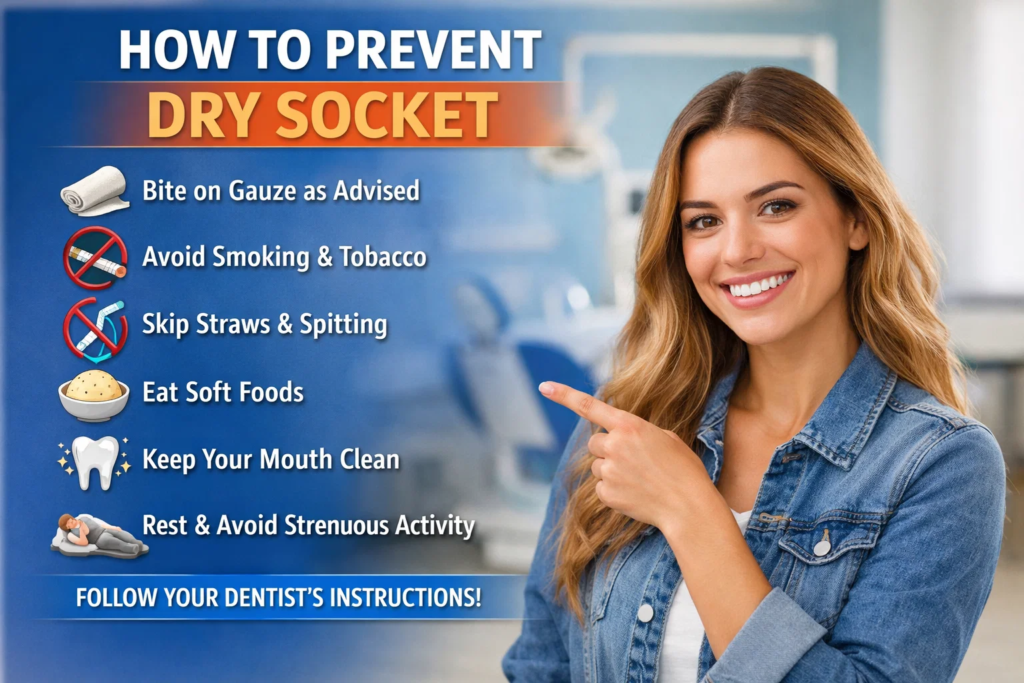
How to prevent dry socket? Smoking is one of the biggest risk factors for dry socket. Nicotine restricts blood flow, reducing oxygen supply needed for healing. The suction motion created while smoking can also dislodge the clot. Tobacco chemicals delay tissue regeneration and increase infection risk. According to the World Health Organization, tobacco use significantly impairs wound healing. Dentists strongly recommend avoiding smoking for at least 72 hours after extraction, although longer abstinence improves recovery. Avoiding tobacco protects the clot and supports healthy healing. Eliminating smoking is one of the most effective prevention strategies.
Avoid Using Straws After Tooth Extraction
How to prevent dry socket? Using straws creates suction pressure inside the mouth, which can dislodge the protective clot. Even gentle suction can weaken clot stability. Many patients unknowingly increase their risk by drinking through straws. Dentists recommend avoiding straws for at least one week after extraction. Drinking directly from a cup eliminates suction risk. Protecting the clot during early healing stages is essential. Avoiding suction-related activities significantly reduces complication risk. Simple precautions make a major difference in recovery success.
Follow Proper Oral Hygiene Without Disturbing the Extraction Site
Maintaining oral hygiene prevents bacterial buildup, which can interfere with healing. However, how to prevent dry socket, brushing too aggressively near the extraction site can dislodge the clot. Gently brush surrounding teeth while avoiding direct contact with the wound. After 24 hours, gentle rinsing with warm saltwater helps reduce bacteria and inflammation. According to the Mayo Clinic, proper hygiene reduces infection risk and promotes healing. Avoid strong mouthwashes containing alcohol because they may irritate tissues. Gentle hygiene practices balance cleanliness with clot protection.
Eat Soft Foods That Support Healing
Diet plays an important role in recovery. How to prevent dry socket? Soft foods prevent irritation and reduce pressure on the extraction site. Foods like yogurt, mashed potatoes, soup, and smoothies provide nutrition without disturbing healing tissues. Avoid hard, crunchy, or sticky foods that may damage the clot. Gradually reintroduce solid foods as healing progresses. Proper nutrition supports tissue repair and immune function. Eating carefully protects the extraction site and promotes faster recovery. Soft foods reduce mechanical stress on healing tissues.
Avoid Touching or Disturbing the Extraction Site
How to prevent dry socket? Touching the wound with fingers or tongue can dislodge the clot and introduce bacteria. Many patients unknowingly disturb healing by probing the area. Avoid touching the site completely. Let natural healing occur without interference. Protecting the wound ensures clot stability and tissue regeneration. Awareness prevents accidental damage. Avoiding unnecessary contact supports safe healing.
Rest and Avoid Strenuous Physical Activity
Physical activity increases blood pressure, which can disrupt clot formation. How to prevent dry socket? Heavy exercise may cause bleeding or clot displacement. Rest allows the body to focus on healing. Avoid strenuous activities for at least 24–48 hours after extraction. Gradually return to normal activity as healing progresses. Rest supports proper clot formation and recovery.
Take Medications Exactly as Prescribed
Dentists may prescribe antibiotics or pain relievers to prevent infection and manage discomfort. Taking medications as directed supports healing and prevents complications. Do not skip doses or stop medication early. Follow all instructions carefully. How to prevent dry socket? Proper medication use promotes recovery and reduces risk.
Stay Hydrated but Avoid Excessive Rinsing
Drinking water supports overall healing and keeps tissues hydrated. However, how to prevent dry socket excessive rinsing may dislodge the clot. Drink normally but avoid forceful rinsing during early healing. Balanced hydration supports tissue repair and recovery.
Recognize Early Signs of Dry Socket
How to prevent dry socket? Early symptoms include severe pain, exposed bone, bad breath, and delayed healing. Pain often radiates to ear or jaw. Recognizing symptoms early allows prompt treatment. Early intervention prevents worsening complications.
Follow Dentist Instructions Carefully
Your dentist provides personalized aftercare instructions based on your procedure. Following how to prevent dry socket these instructions ensures proper healing. Every patient’s situation is unique. Adhering to professional guidance reduces risk.
Conclusion
Understanding how to prevent dry socket is essential for smooth recovery after tooth extraction. Protecting the blood clot, avoiding smoking and suction, maintaining gentle oral hygiene, and following proper care instructions significantly reduce risk. Prevention focuses on protecting the extraction site during early healing stages. With proper awareness and care, you can ensure faster healing, avoid pain, and protect your oral health. Following these proven prevention strategies ensures safe recovery and long-term dental health.
FAQs
1. How long does dry socket risk last?
Dry socket risk is highest during the first 3–5 days after extraction. Proper care during this period significantly reduces risk.
2. Can dry socket heal on its own?
It can heal naturally, but treatment reduces pain and speeds recovery. Dentists may clean and dress the wound.
3. Is dry socket very painful?
Yes, it causes severe pain due to exposed bone and nerves. Prevention is the best approach.
4. Does everyone get dry socket after extraction?
No, only a small percentage of patients develop it. Proper aftercare reduces risk significantly.
5. Can drinking water cause dry socket?
No, drinking normally is safe. Avoid straws and forceful suction.
6. When can I brush my teeth after extraction?
You can brush gently after 24 hours but avoid the extraction site.
7. Does saltwater help prevent dry socket?
Yes, gentle saltwater rinsing reduces bacteria and supports healing.
For More Update and Stories Visit Daily Guides