
 Admin
Admin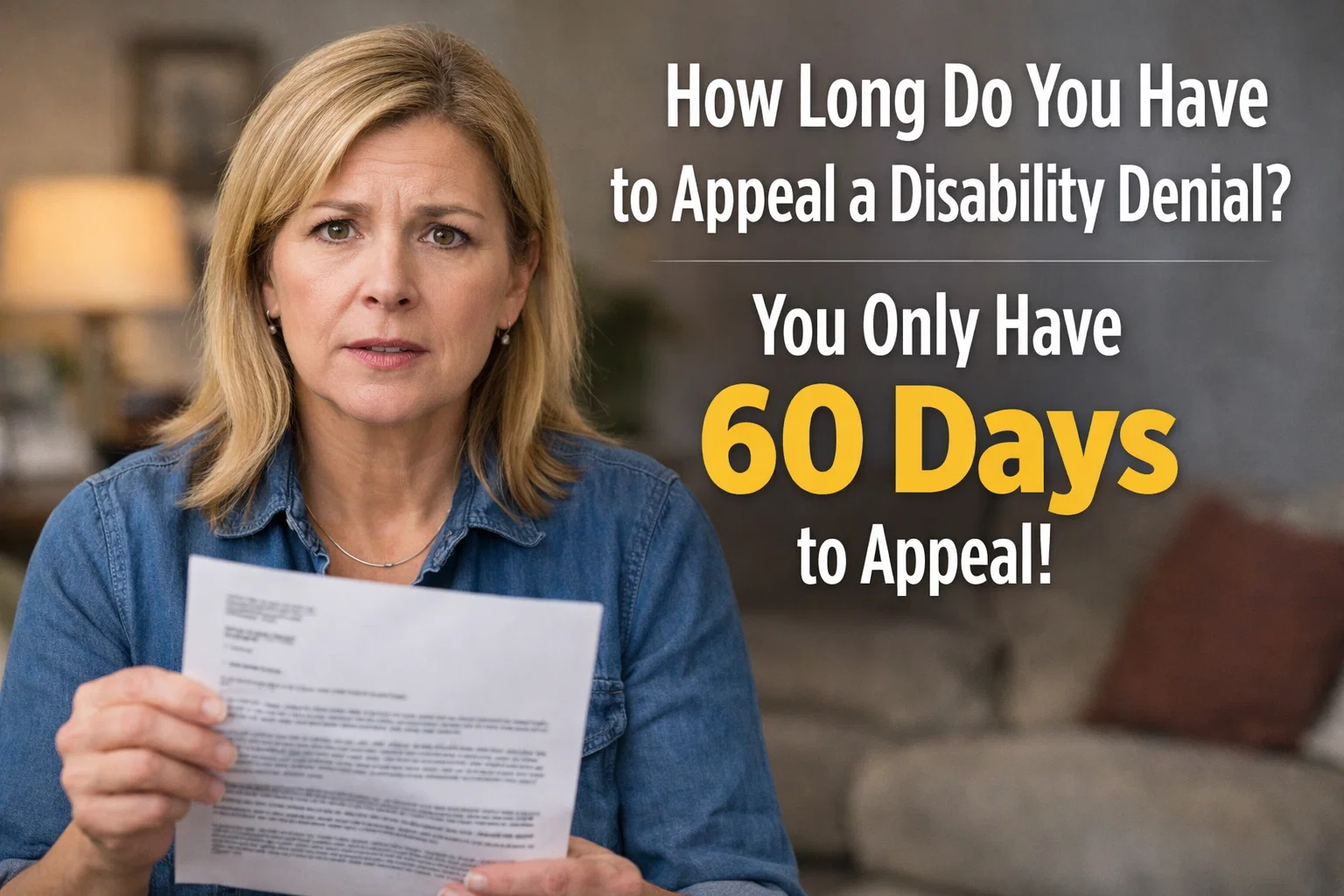
Receiving a disability denial can feel overwhelming, confusing, and deeply discouraging, especially when you were counting on benefits for financial and medical stability. One of the first and most urgent questions people ask is how long you have to appeal a disability denial. The answer matters because missing a deadline can force you to start the entire application process over again. Disability appeals follow strict timelines, and those timelines vary slightly depending on the stage of appeal and the type of benefits involved. This guide explains every deadline clearly, walks you through each appeal stage, and helps you understand exactly what to do and when, so you can protect your right to benefits.
Understanding Disability Denials and Why Appeals Matter
A disability denial does not mean you are ineligible for benefits forever. In fact, many first-time disability applications are denied, even for individuals with legitimate and severe medical conditions. The appeals process exists to correct errors, consider additional evidence, and allow applicants another chance to explain how their condition limits their ability to work. Knowing how long you have to appeal a disability denial is essential because the system assumes responsibility falls on the applicant to act. Appeals are time-sensitive, paperwork-heavy, and procedural. When handled correctly, they significantly increase the chances of approval, especially as the case progresses to higher levels of review.
Who Sets the Disability Appeal Deadlines?
Disability appeal deadlines are primarily set by the Social Security Administration (SSA) for both Social Security Disability Insurance (SSDI) and Supplemental Security Income (SSI) claims. These deadlines are governed by federal regulations and apply nationwide. While private disability insurance plans may have different rules, SSA deadlines are strict and standardized. Understanding how long you have to appeal a disability denial requires knowing that the SSA does not typically allow extensions without a valid, documented reason. These deadlines exist to keep cases moving through the system efficiently, even though the process itself can take months or years to resolve fully.
How Long You Have to Appeal a Disability Denial After the First Decision?
After receiving an initial disability denial, you generally have 60 days to file an appeal. The SSA also allows an additional 5 days for mailing, meaning you effectively have 65 days from the date on your denial letter. This timeframe applies whether you are appealing online, by mail, or in person. Understanding how long you have to appeal a disability denial at this stage is critical because late appeals are often dismissed automatically. If you miss this deadline, you may be required to file a brand-new application, potentially losing months or years of back pay.
The Reconsideration Stage and Its Deadline
The first level of appeal is called Reconsideration, where a new examiner reviews your claim from scratch. To request reconsideration, you must submit your appeal within the same 60-day window after receiving your denial notice. During this stage, you can submit new medical records, updated doctor statements, and additional evidence supporting your claim. Knowing how long you have to appeal a disability denial at reconsideration matters because this stage moves quickly and often results in another denial. However, timely filing keeps your claim alive and preserves your original application date, which is crucial for benefit calculations.

Appealing After a Reconsideration Denial
If your claim is denied again at reconsideration, you are not out of options. You again have 60 days plus 5 mailing days to request a hearing before an Administrative Law Judge (ALJ). This is often the most important stage of the appeals process. Understanding how long you have to appeal a disability denial here is especially important because ALJ hearings offer your best chance of approval. At this level, you can testify, present witnesses, and submit detailed medical and vocational evidence that was not previously considered by SSA reviewers.
The Administrative Law Judge Hearing Timeline
The ALJ hearing stage is where many applicants finally receive approval. However, while the deadline to request the hearing remains 60 days, the wait time for the actual hearing can range from several months to over a year. Knowing how long you have to appeal a disability denial does not mean the process will be fast, but it ensures you stay eligible. During this stage, preparation is critical. Missing the filing deadline means losing the opportunity for a hearing, which is often the most favorable review level for claimants with complex or severe disabilities.
Appeals Council Review and Filing Deadlines
If the ALJ denies your claim, the next step is requesting review by the Appeals Council. You must file this request within 60 days of receiving the ALJ decision. The Appeals Council does not hold hearings but instead reviews the judge’s decision for legal or procedural errors. Understanding how long you have to appeal a disability denial at this stage is crucial because this level focuses less on new evidence and more on whether the law was applied correctly. Many applicants skip this step due to complexity, but timely filing keeps all legal options open.
Federal Court Appeals and Strict Time Limits
The final appeal option is filing a civil lawsuit in U.S. Federal District Court. You must file this action within 60 days of the Appeals Council decision. This stage requires formal legal procedures and is typically handled by an attorney. Understanding how long you have to appeal a disability denial at the federal level is essential because courts strictly enforce filing deadlines. Unlike earlier stages, missing this deadline permanently ends your claim. While this stage is rare, it can be successful when SSA errors or misinterpretations of medical evidence are clearly documented.
What Happens If You Miss the Appeal Deadline?
Missing an appeal deadline usually means your case is closed. In most situations, you must start over with a new application, losing valuable time and potential back pay. However, the SSA may accept a late appeal if you can show good cause, such as serious illness, hospitalization, or not receiving the notice. Understanding how long you have to appeal a disability denial helps you avoid relying on exceptions, which are not guaranteed. Acting promptly, keeping copies of all documents, and tracking dates carefully are the best ways to protect your claim and maintain eligibility.
Differences Between SSDI and SSI Appeal Timelines
For most applicants, appeal deadlines are the same for SSDI and SSI claims. Both programs follow the 60-day appeal rule at each stage. However, the evidence requirements and financial rules differ between programs, which can affect how appeals are prepared. Knowing how long you have to appeal a disability denial applies equally to both programs, but understanding which program you applied for helps tailor your evidence. SSI appeals may focus more on financial eligibility, while SSDI appeals emphasize work history and insured status alongside medical limitations.
How State Disability Programs May Differ
Some states offer their own disability or short-term disability programs, which operate under different rules than federal SSA benefits. These programs may have shorter or longer appeal deadlines depending on state law or insurance policy terms. While this guide focuses on federal disability benefits, understanding how long you have to appeal a disability denial at the state level requires reviewing your specific program’s notice letter. Always read denial letters carefully, as deadlines are clearly stated and may differ from SSA timelines, especially for employer-sponsored or private disability plans.
Why Acting Early Improves Your Chances of Approval
Although you have up to 60 days to appeal, waiting until the last minute can weaken your case. Acting early gives you more time to gather medical records, request doctor opinions, and correct mistakes in your file. Understanding how long you have to appeal a disability denial allows you to use the time strategically instead of reactively. Early appeals reduce stress, prevent paperwork errors, and allow room for unexpected delays. Strong, well-prepared appeals are more persuasive and increase the likelihood of success at every stage of the disability review process.
The Role of Disability Representatives and Attorneys
Disability attorneys and representatives help applicants navigate appeal deadlines, paperwork, and evidence requirements. They ensure filings are submitted on time and that your case is presented clearly and persuasively. Understanding how long you have to appeal a disability denial becomes easier with professional guidance, especially during ALJ hearings or federal court appeals. Most representatives work on a contingency basis, meaning they are paid only if you win. Having experienced support reduces the risk of missed deadlines and procedural mistakes that could otherwise end your claim prematurely.
Common Mistakes That Cost Applicants Their Appeal Rights
One of the most common mistakes is misunderstanding when the appeal clock starts. Many people assume deadlines begin when they open the letter, not the date printed on it. Others delay due to stress or confusion, only to miss the deadline entirely. Understanding how long you have to appeal a disability denial helps prevent these costly errors. Another frequent mistake is submitting incomplete forms or failing to update medical evidence. Every stage of appeal builds on the previous one, so timely, accurate submissions are essential to keeping your case alive and competitive.
Conclusion
Understanding how long you have to appeal a disability denial is one of the most important parts of protecting your right to benefits. In most cases, you have 60 days plus 5 mailing days to appeal at each stage, from reconsideration to federal court. These deadlines are strict, and missing them can force you to start over or permanently end your claim. By acting early, staying organized, and seeking professional help when needed, you can navigate the appeals process with confidence. While disability appeals can be long and challenging, meeting every deadline keeps hope alive and preserves your opportunity for approval.
Frequently Asked Questions (FAQs)
1. How long you have to appeal a disability denial from Social Security?
You generally have 60 days, plus 5 days for mailing, from the date on the denial letter.
2. Does the appeal deadline change at different stages?
No, each appeal stage follows the same 60-day filing deadline.
3. What if I miss the disability appeal deadline?
You may need to file a new application unless you can prove good cause for missing the deadline.
4. Are SSDI and SSI appeal deadlines the same?
Yes, both programs follow the same federal appeal timelines.
5. Can I appeal online or by mail?
Yes, appeals can be filed online, by mail, or in person.
6. Is it better to appeal early or wait?
Appealing early is better because it allows more time to gather strong evidence.
7. Do private disability plans follow the same deadlines?
No, private plans may have different appeal timelines, which are stated in the policy documents.
For More Update and Stories Visit Daily Guides