
 Admin
Admin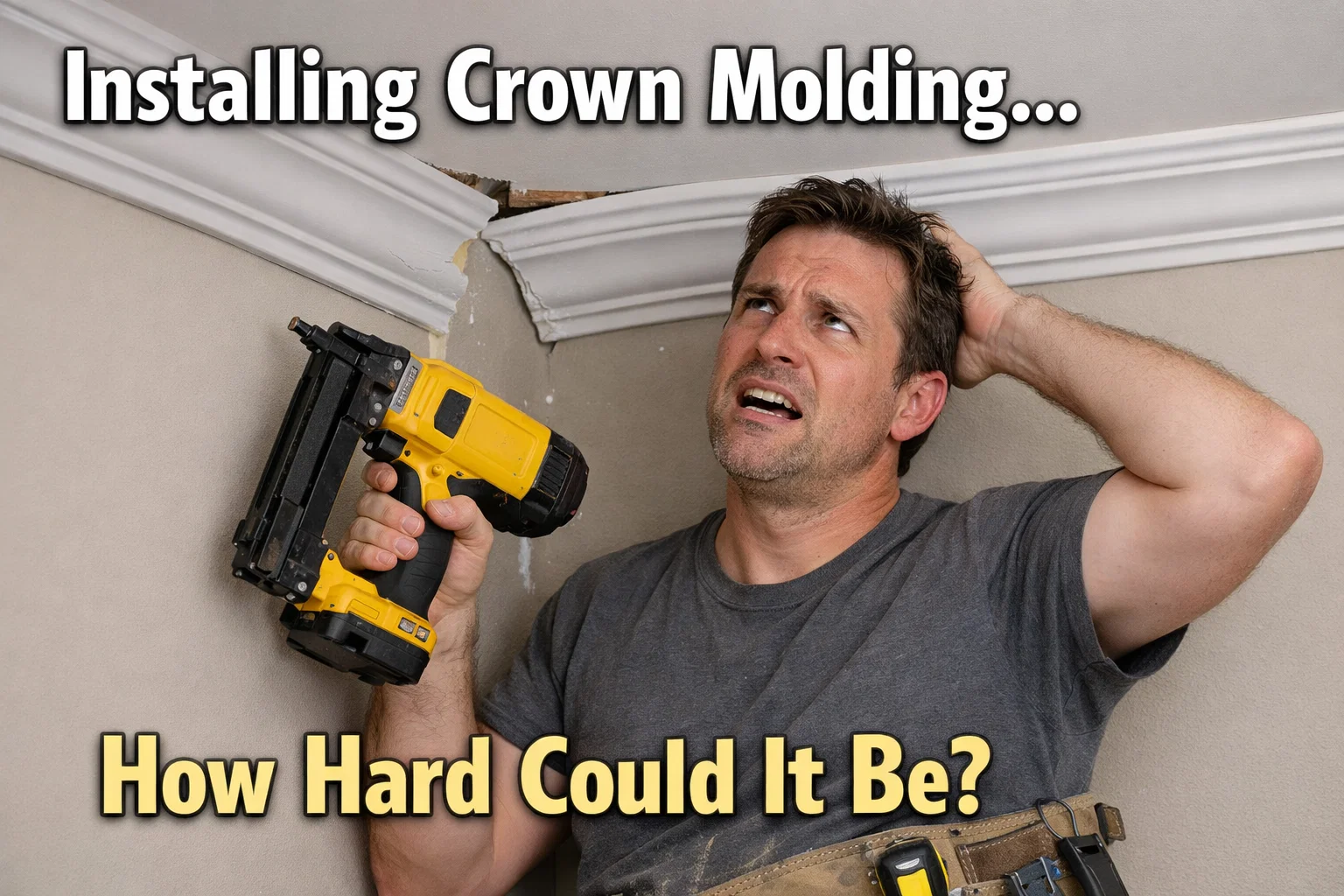
Crown molding has long been seen as a finishing touch that elevates a room from ordinary to refined. Walk into any well-designed home, and your eyes naturally drift upward to that elegant trim bridging the wall and ceiling. Yet many homeowners pause before attempting it themselves, asking the same honest question: how hard is it to install crown molding? The truth is more nuanced than a simple yes or no. Installing crown molding blends basic carpentry, precise measurement, patience, and visual judgment. For some, it’s a satisfying weekend project. For others, it can feel overwhelming without preparation. This guide explains the real difficulty level, skills required, common mistakes, and what makes crown molding installation either manageable or frustrating.
What Crown Molding Is and Why It Matters
Crown molding is a decorative trim installed where walls meet ceilings, designed to soften harsh angles and add architectural character. How hard is it to install crown molding, It comes in materials like MDF, polyurethane, PVC, and solid wood, each affecting installation difficulty. Beyond aesthetics, crown molding can also hide imperfections such as uneven ceilings or drywall gaps. Understanding its purpose helps explain why precision matters so much during installation. Unlike baseboards, crown molding sits at compound angles, which increases complexity. Still, when installed correctly, it adds measurable value and timeless appeal to a home. Knowing what crown molding does—and what it demands—sets realistic expectations before tools ever come out.
How Hard Is It to Install Crown Molding for Beginners
For beginners, how hard is it to install crown molding largely depends on mindset and preparation. The task is not physically demanding, but it is mentally precise. The biggest challenge is working with compound angles, especially at corners. Beginners often struggle with visualizing how molding sits against both wall and ceiling simultaneously. However, modern tools, pre-cut corner blocks, and detailed guides have lowered the barrier significantly. A simple square room with minimal corners can be beginner-friendly. The difficulty rises with ceiling height, uneven walls, or intricate molding profiles. With patience and practice cuts, beginners can succeed without professional experience.
Skills Required to Install Crown Molding Successfully
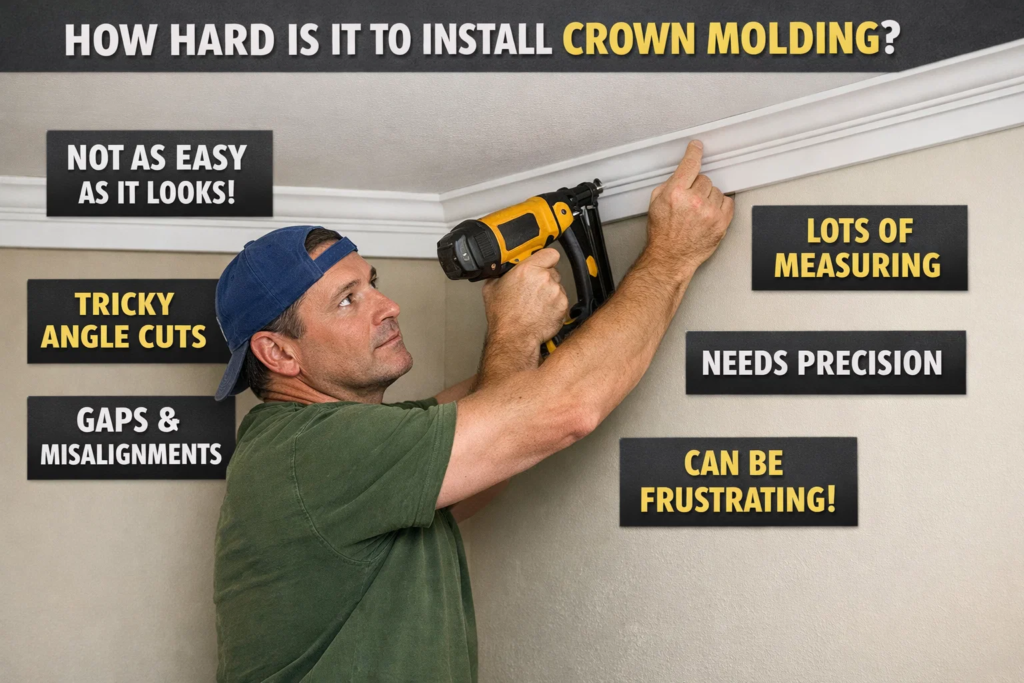
Installing crown molding does not require advanced carpentry skills, but it does demand accuracy, attention to detail, and steady hands. How hard is it to install crown molding? Measuring correctly, marking cut lines clearly, and handling power tools safely are essential. Familiarity with a miter saw, nail gun, and level makes the process smoother. Problem-solving skills matter too, especially when walls are not perfectly square—which is common in older homes. You must be comfortable making adjustments on the fly. While mistakes can be fixed with caulk and filler, clean cuts and consistent alignment define a professional-looking result. Skill level affects speed more than feasibility.
Tools and Materials That Affect Difficulty Level
The tools you use can significantly change how hard the project feels. How hard is it to install crown molding, A compound miter saw is almost essential, allowing precise angled cuts that crown molding demands. Using a basic hand saw increases difficulty and error risk. A brad nailer or finish nail gun speeds installation and reduces splitting, especially with MDF. Materials also matter. Polyurethane molding is lightweight and forgiving, while solid wood is heavier and less flexible. Choosing the right combination of tools and materials can turn a frustrating project into a manageable one, even for first-timers working carefully.
Understanding Angles: The Biggest Challenge Explained
Angles are the heart of crown molding difficulty. How hard is it to install crown molding, Unlike flat trim, crown molding sits at an angle between wall and ceiling, creating compound cuts. Inside and outside corners require different approaches, and rooms are rarely perfectly square. This is where many DIYers struggle and ask again how hard is it to install crown molding accurately. Coping inside corners—shaping one piece to fit over another—can simplify alignment but requires practice. Mitered corners look cleaner but demand precise cuts. Understanding spring angles, wall variances, and ceiling inconsistencies is crucial to avoiding gaps and misalignment.
Measuring and Planning Before Installation
Good planning reduces difficulty by half. How hard is it to install crown molding? Measuring wall lengths accurately and mapping cut sequences prevents wasted material. Many professionals recommend creating a cut list before starting, labeling each piece by location. Dry-fitting pieces before nailing allows you to spot issues early. Planning also includes deciding where seams will fall, ideally above doors or windows where they’re less noticeable. Rushing this stage leads to visible gaps and frustration later. Taking time to plan transforms crown molding installation from guesswork into a controlled process, especially for those new to trim work.
Ceiling Height and Room Shape Considerations
Room characteristics significantly affect how hard crown molding installation feels. Higher ceilings require ladders or scaffolding, increasing physical strain and safety concerns. Vaulted or sloped ceilings add complexity, often requiring custom cuts. Irregular room shapes, rounded corners, or older homes with settling issues increase difficulty as well. In contrast, standard eight-foot ceilings with straight walls are much easier. Before starting, assess your room honestly. The more symmetrical and level the space, the smoother the project. Challenging rooms aren’t impossible, but they require more patience and experience.
Common Mistakes That Make Installation Harder
Many DIY struggles come from avoidable mistakes. How hard is it to install crown molding, Cutting without test fits, ignoring wall irregularities, or assuming corners are perfectly square often leads to gaps. Another common error is nailing too early, before confirming alignment across multiple sections. Overconfidence with measurements can waste material quickly. Using the wrong caulk or filler also affects final appearance. These mistakes don’t mean failure, but they increase time and stress. Understanding common pitfalls ahead of time makes the entire process feel less difficult and far more predictable.
Time Commitment and Physical Effort Involved
Installing crown molding is more time-intensive than physically demanding. A single room can take one to two full days for beginners, including measuring, cutting, fitting, and finishing. Physical effort mainly involves ladder work and holding molding overhead, which can be tiring. Breaks help maintain accuracy and safety. The mental effort of maintaining precision over long periods often outweighs physical strain. Rushing leads to mistakes, so pacing yourself is essential. How hard is it to install crown molding, Time investment is a major factor in deciding whether the project feels manageable or exhausting.
Finishing Work: Caulking, Filling, and Painting
How hard is it to install crown molding? Finishing work often determines whether crown molding looks amateur or professional. Even well-cut molding usually needs caulk to fill small gaps and wood filler for nail holes. Sanding smooths transitions before painting. This stage requires patience but little technical skill. Many imperfections disappear after paint, which is reassuring for beginners. Skipping or rushing finishing steps makes flaws more noticeable. While finishing adds time, it significantly improves results and reduces the stress of minor cutting errors. It’s also where many DIYers realize the effort was worth it.
DIY vs Hiring a Professional Installer
Comparing DIY installation to hiring a professional helps answer how hard is it to install crown molding realistically. How hard is it to install crown molding? Professionals work faster, handle complex rooms easily, and deliver near-perfect results. However, labor costs can be high. DIY installation saves money but demands time and learning. For simple rooms, many homeowners find DIY worthwhile and rewarding. For intricate spaces or expensive materials, professional installation reduces risk. The decision often comes down to confidence, budget, and tolerance for imperfection. Both options are valid depending on priorities.
Is Crown Molding Installation Worth the Effort
Despite the challenges, How hard is it to install crown molding, many homeowners feel crown molding installation is worth the effort. The visual impact is immediate, adding elegance and perceived value. Completing it yourself brings a sense of accomplishment and skill growth. Even with minor imperfections, the overall improvement often outweighs flaws. Understanding the difficulty honestly allows you to approach the project with patience rather than frustration. When expectations align with reality, crown molding becomes less intimidating and more achievable.
Conclusion
So, how hard is it to install crown molding? It is moderately challenging but absolutely achievable with preparation, the right tools, and patience. The difficulty lies more in precision than strength or advanced skill. Beginners may struggle initially, especially with angles, but most problems are solvable with planning and practice. Crown molding rewards careful work with dramatic visual improvement. Whether you choose DIY or professional help, understanding the process makes the experience smoother, less stressful, and far more satisfying in the end.
Frequently Asked Questions
Is crown molding too hard for beginners?
No, beginners can install crown molding successfully with patience, proper tools, and careful planning.
What is the hardest part of installing crown molding?
Cutting accurate angles for inside and outside corners is the most challenging aspect.
How long does it take to install crown molding in one room?
Most beginners take one to two days, including measuring, cutting, installing, and finishing.
Do I need a compound miter saw for crown molding?
While not mandatory, a compound miter saw greatly reduces difficulty and improves accuracy.
Can mistakes be fixed during installation?
Yes, small gaps and errors can be corrected with caulk, filler, and paint.
Is crown molding worth installing yourself?
For simple rooms, DIY installation is cost-effective and rewarding if you accept a learning curve.
For More Update and Stories Visit Daily Guides